

In the realm of building and architecture, the significance of exact measurements cannot be overstated. A survey that is measured serves as the foundation for any successful project, whether you are planning a house expansion, renovating a heritage property, or initiating a new commercial development. Understanding what measured surveys entail and the importance they hold in the architectural process is vital for property owners, architects, and developers too.
This guide will explore the intricacies of measured surveys, explaining what they are, why they are indispensable for your project, and how they contrast with traditional floor plans. We'll explore the positives of harnessing accurate measured data, including how it can help avoid costly mistakes and support better planning applications. Regardless of whether you are a homeowner thinking about a renovation or a professional in the industry, our comprehensive overview will supply you with the knowledge needed to make informed decisions about your surveying needs.
Comprehending Measured Assessments
Measured assessments prove to be essential for accurately documenting the dimensions and characteristics of a property or structure. They involve the thorough measurement process of physical components to create exact depictions for various objectives, such as improvements, expansions, or innovative designs. A measured survey can comprise floor plans, elevations, and sections that show current state, providing essential insight for architects, engineers, and property developers.
The importance of quantified assessments cannot be overemphasized. They offer a groundwork for decision-making in construction and remodeling projects, enabling professionals to strategize efficiently while minimizing the chance of financial mistakes. By providing a dependable perspective of the present conditions, quantified assessments help guarantee that any modifications fit seamlessly with the present building.
In the current quickly changing building environment, the precision of quantified data is paramount. Regardless of using classic surveying methods or modern technologies like 3D laser scanning, a thorough quantified survey provides the certainty needed for successful project execution. As comprehension and technology progress, the function of measured surveys continues to adapt, guaranteeing that they meet the needs of contemporary architecture and construction techniques.
Benefits and Applications
Calculated assessments offer multiple benefits which are crucial in different fields. The primary gain is the delivery of detailed and thorough information, which helps in making informed judgments. This precision is essential for builders and planners as it verifies that their plans and schematics align with the real conditions of a property. As https://rentry.co/r82fqrvw , this lessens the chance of financial errors during construction and facilitates smoother assignment implementation.
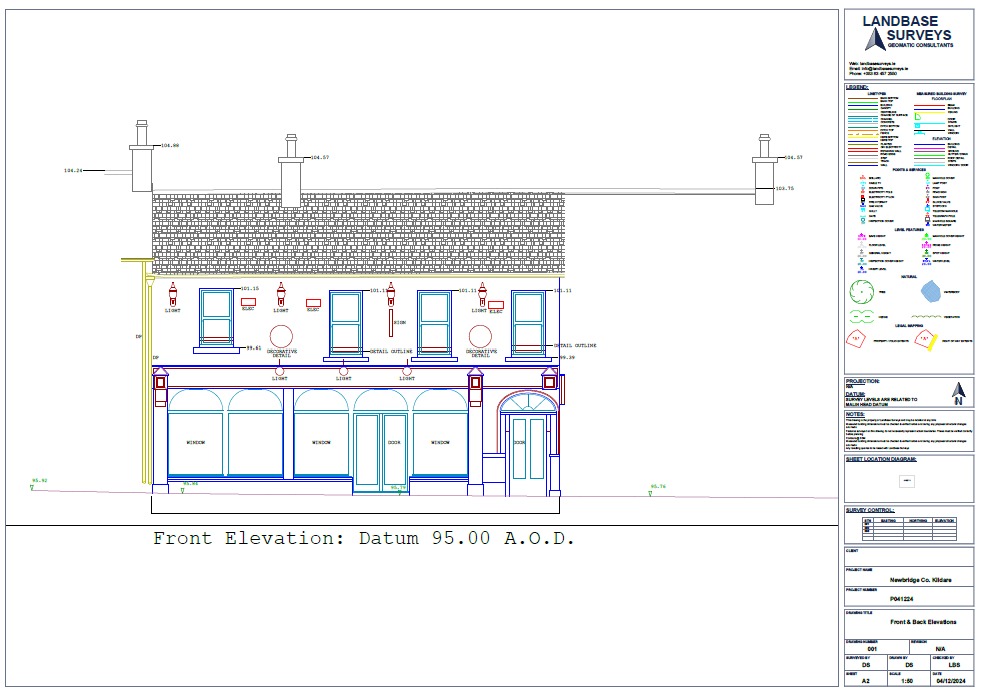
These surveys contain a broad variety of applications, from domestic projects, such as home additions and loft conversions, to more extensive commercial projects. By receiving a measured survey before any refurbishment or improvement, real estate proprietors can have a better grasp of their area, which enables more effective design and arrangement. Moreover, measured surveys act a key role in planning submissions by supplying the necessary information to meet with state regulations and standards.
In as well as standard techniques, advancements like 3D laser scanning are revolutionizing how evaluated surveys are conducted. This innovation boosts the accuracy of the data gathered and facilitates the development of accurate virtual representations. As View website , measured surveys have become essential resources for developers, constructors, and planners, allowing them to design with increased assurance and speed, resulting in culminating in more effective task results.
Choosing the Suitable Measured Survey
As you picking the right measured survey for your project, it is crucial to evaluate your particular requirements and aims. Different types of surveys serve varied needs; for instance, a building survey is ideal for new constructions, while a topographical survey is advantageous for understanding the terrain and layout of a location. Assessing your reason, whether it’s for renovation, extension, or construction, will lead you toward the most type of survey.
It is also essential to consider the qualifications and experience of the surveyor you select. A respected firm should have a successful history in conducting measured surveys and should be familiar with the regulations relating to real estate and building. When reaching out to potential surveyors, ask for project references or testimonials to ensure they have managed related projects successfully.
Ultimately, consider the tools and techniques that the firm utilizes. The utilization of cutting-edge tools, such as 3D laser scanning, can improve the precision and efficiency of the surveying process. Knowing how these tools work and how they can benefit your endeavor will allow you to make an educated decision, guaranteeing you receive reliable data that aligns with your design and construction goals.