

As the cold season approaches, the issues of maintaining secure roadways become essential for towns and companies alike. Professional winter road services are crucial for the safety of the public, guaranteeing that community roads, interstate routes, and vehicular storage areas remain open and secure for travel during inclement weather. The presence of snow removal vehicles and salt trucks becomes a common sight, but the operations and strategies behind these processes are not well-known.
Winter road maintenance is not just simply clearing snow; it takes a vital role in reducing accidents and keeping our key transport routes clear. From sophisticated weather monitoring that guides timely responses, to carefully coordinated gritting and de-icing treatments, the effectiveness of these services can greatly impact public safety and business productivity for organizations. Moreover, in light of new advancements, the prospects of winter road services is changing, promising to boost both the effectiveness and sustainability of winter maintenance practices. In this article, we will delve into the detailed world of qualified winter road services and their essential role in maintaining our roads safe and travel-ready during the most severe months of the year.
The Significance of Professional Winter Road Services
Specialized winter road services perform a crucial role in upholding public safety during harsh weather conditions. As snow and ice collect on roadways, the risk of collisions increases significantly. By utilizing effective winter road maintenance strategies, these services help ensure that roads are safe for drivers, pedestrians, and emergency vehicles alike. This not only safeguards lives but also lessens the economic burden associated with accidents and traffic disruptions.
In addition to improving safety, professional winter road services contribute to the efficiency of everyday operations. Businesses rely on clear and accessible roads to operate smoothly, particularly during winter months when supply chains can be affected. By delivering timely snow clearance and effective gritting solutions, these services assist maintain commerce moving and reduce downtime for local businesses. This proactive approach ensures that communities remain functional despite difficult weather conditions.
Additionally, the value of specialized winter road services extends past immediate safety and operational effectiveness. Gritting Contractors Ireland are essential for strategic design and resource management, enabling local authorities to allocate budgets and personnel effectively. With the growing unpredictability of winter weather, investing in these services is a key decision for municipalities and property owners alike, ensuring a swift and systematic response to winter challenges.
Best Practices for Successful Winter Maintenance
Using a forward-thinking approach to winter road maintenance commences with detailed preparation and planning. Local officials and service providers should formulate a extensive winter management plan that outlines strategies for snow removal, road treatment, and engagement with the public. This plan should include schedules for consistent assessments of weather forecasts, establishing when to utilize resources, and pinpointing important routes that require swift attention. Engaging with community stakeholders early on ensures that everyone is ready and is aware of the protocols in place.
Utilizing cutting-edge technology serves a key role in enhancing the efficiency of winter road operations. Weather assessment systems, GPS tracking, and data analytics help road care teams analyze road conditions in real-time, empowering them to make smart decisions. These tools can anticipate snow and ice situations, allowing for timely responses that minimize hazards. Additionally, implementing anti-icing techniques can significantly lessen the amount of de-icing needed subsequently, reducing time and resources while boosting road safety.
Educating staff and ensuring they are equipped with the necessary tools is important for effective service delivery. Regular training programs on the most recent equipment and safety protocols empower maintenance crews to respond efficiently to winter challenges. Additionally, investing in top-notch machinery and materials, such as sustainable de-icing agents, contributes to more responsible winter maintenance efforts. By fostering a environment of safety and preparedness, winter road services can greatly enhance public safety and reduce the risks linked to severe weather events.
Looking Ahead of Road Services in Winter
As winter conditions become more volatile due to global warming, the prospects of winter road maintenance will require a blend of advanced technology and flexible approaches. Smart sensor systems embedded into road networks can provide instantaneous data on ambient temperature, road conditions, and vehicle movement. This information empowers road maintenance services to make strategic decisions about when to activate snow removal trucks or use ice-melting substances, ensuring that assets are used in a resourceful manner and optimally.
Innovation will also play a vital role in sustainability efforts within winter road maintenance. The development of eco-friendly alternatives to traditional road salt, such as magnesium-based products or potassium acetate variations, can minimize the negative environmental consequences while upholding traffic safety. Furthermore, by incorporating renewable energy sources to operate snow removal equipment, maintenance teams can diminish their carbon emissions and promote a greener approach to winter road maintenance.
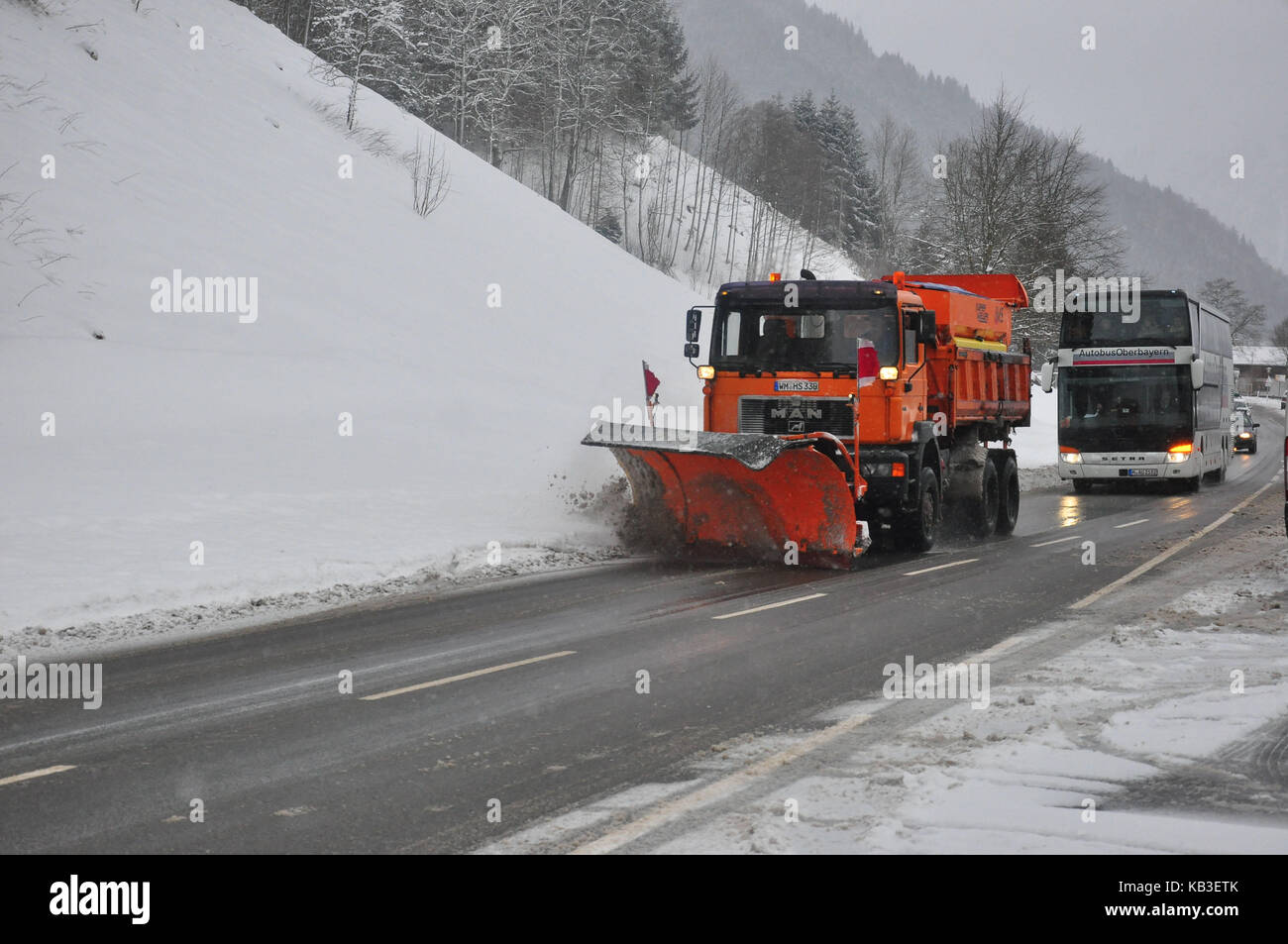
Partnership between local authorities, the private sector, and service providers will be necessary for improving preparedness against extreme cold weather. Sharing resources and best practices can lead to more efficient community-wide responses, ensuring that critical services remain within reach and that the safety of citizens is at the forefront. As we look to the horizon, the integration of technological solutions, sustainable practices, and cooperation will define the evolution of winter road maintenance professionals, ultimately saving efficiency, financial resources, and lives.