

Moisture problems is one of the most troubling issues property owners can face. Whether it happens to be caused by a unexpected storm, a broken pipe, or a roof leak, the aftermath can be overwhelming. Knowing what to do right away after water damage in your home is crucial to limiting losses and securing an effective restoration. While some homeowners may feel tempted to handle the cleanup and repairs independently, considering the advantages and disadvantages of a DIY approach compared to calling in professionals can be overwhelming.
This guide aims to guide you through the complex water damage restoration maze. We will examine the entire process of rehabilitation, highlight common sources of water damage, and discuss the importance of timely and appropriate responses. From spotting signs that emergency water damage restoration is needed to understanding the hidden dangers of neglected damage, we will cover all the essential information about fixing your residence and safeguarding your possessions. Whether you choose to pursue a DIY approach or engage a professional service, being knowledgeable will allow you to make the best decision for your real estate and sense of security.
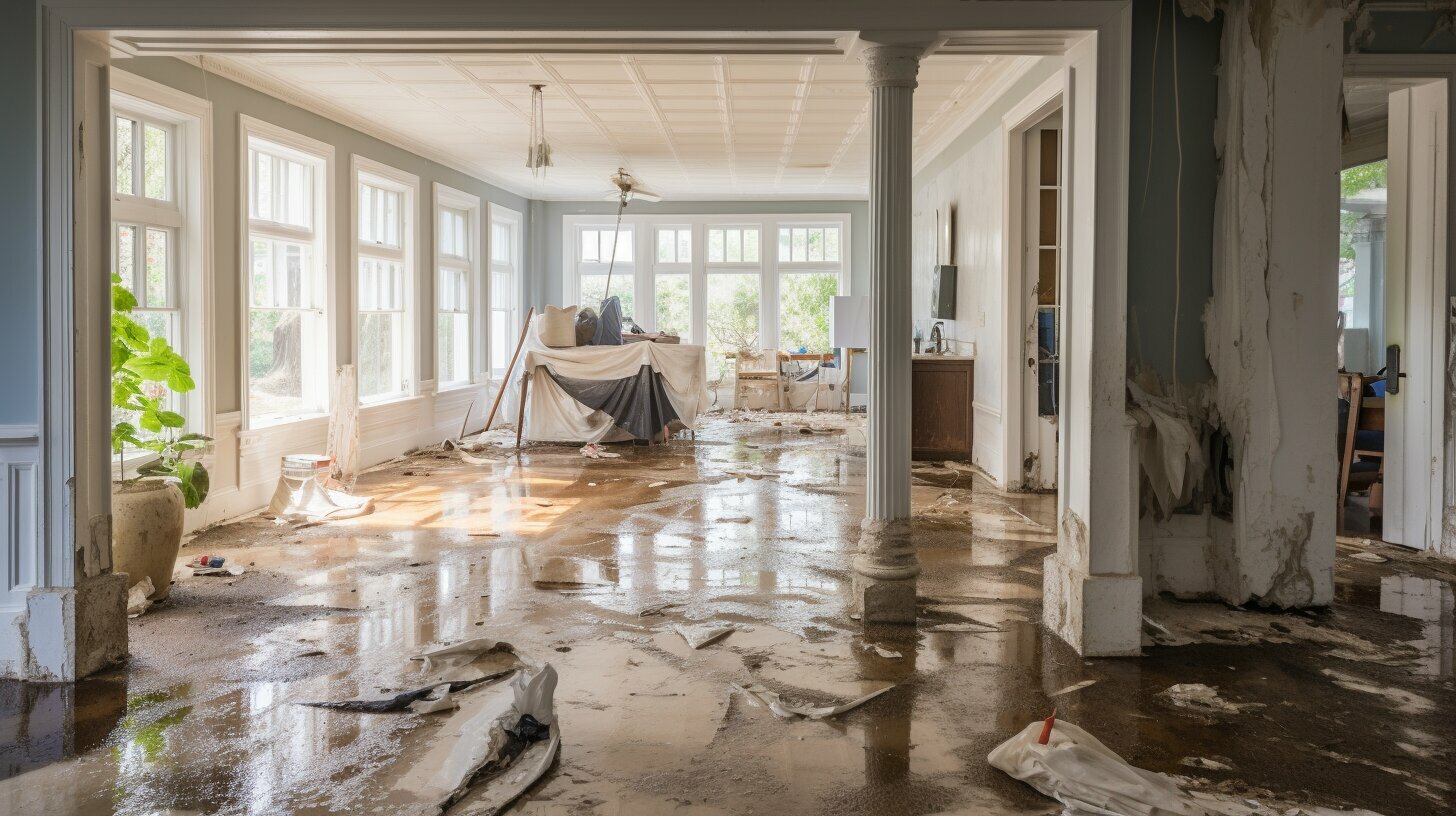
Urgent Actions Following Water Damage
If water damage happens in your home, prompt response is crucial. Start by confirming your safety; if the water is deep or if there are electrical hazards, avoid entering the affected area. Shut off electricity at the main breaker and, when it is safe to do so, turn off the water supply to prevent further flooding. Once Learn here have verified you are safe, document the damage for your insurance claims and document everything you can.
Afterward, take away any valuable items that are affected by the water. This includes furniture, electronics, and personal belongings. If it's possible, elevate these items to prevent further damage. Use towels or a wet/dry vacuum to soak up excess water from level areas. If the water is coming from a clean source like a broken pipe, you may be able to handle the situation without professional help, but it is always wise to assess the severity first.
In the end, begin the drying process to prevent mold growth and structural damage. Open windows, switch on fans, and use dehumidifiers to help speed up evaporation. Check for hidden moisture in walls and insulation, as this can often be missed and lead to further issues later on. Taking these immediate steps can significantly lessen damage and lay the groundwork for effective restoration.
Comprehending Specialized Restoration Services
When faced with flood damage, many householders grapple with the conundrum of whether to address the restoration themselves or to engage professionals. Specialized liquid damage restoration services bring a lot of experience and dedicated equipment that can significantly expedite the cleanup and recovery process. These professionals understand the details of liquid damage and are trained to spot hidden issues that may not be immediately visible to the untrained observer. Their know-how ensures that not only is the obvious damage addressed, but likelihood of long-term problems such as mold proliferation and structural issues are also reduced.
One of the primary advantages of contracting a specialized restoration service is the speed of reaction. Liquid damage situations can worsen quickly, leading to greater damage if not tackled promptly. Professionals have the means to begin the mitigation process at once, performing water extraction and drying through advanced methods. They also typically operate around the clock, allowing for urgent flood damage restoration when time is of the essence. This prompt action can save homeowners from additional distress and additional repair costs.
Additionally, professional restoration services often guide through the intricacies of insurance claims on behalf of the property owner. Grasping what to document and how to speak with insurance adjusters can be overwhelming, especially in the wake of a disaster. Knowledgeable restoration companies are acquainted with the necessary steps and can help ensure that homeowners receive the reimbursement to which they are deserving. This added level of support can relieve some of the stress associated with water damage restoration, allowing homeowners to focus on getting their lives back to a regular state.
Avoiding Upcoming Moisture Destruction
Mitigating potential water destruction in the house requires vigilance and preventive steps. Routine maintenance is key; look for likely issues in pipes, and ensure that all appliances and devices are operating as they should. Inspect the roof for damaged shingles that could permit water to leak through, and remove gutters and down pipes to promote effective drainage away from the foundation. By addressing these areas, you can substantially minimize the likelihood of moisture damage.
A further efficient approach is to improve your home’s exterior landscaping. Ensure that the grading around your home inclines away from the foundation, which can aid channel water during intense rainfall. Putting in drainage systems or alternative options can also manage water flow and stop buildup around the home. Additionally, consider protecting your basement or crawl space to give an added layer of safety.
Finally, be aware of your home’s indoor moisture levels. Use dehumidifiers in damp areas and make sure proper airflow in restrooms and cooking areas where moisture levels can rise. Frequently inspecting for evidence of moisture issues, such as marks on surfaces or roofs, can help discover problems promptly before they worsen. By implementing these actions, you can defend your house from upcoming flood damage and ensure a secure living environment.