

Waste removal is an crucial operation that often goes unnoticed until challenges arise. As our communities grow and our consumption patterns evolve, the need for effective waste management has never been more essential. Proper waste removal not only helps to keep our areas clean but also plays a significant role in protecting the nature and public health. With a multitude of waste removal solutions available, understanding how to choose the best service can make a substantial difference in both expense and effectiveness.
In this guide, we will examine the importance of ethical waste disposal, the numerous benefits of hiring professional waste removal companies, and the creative practices that can change waste from ordinary garbage into useful resources. Whether you are a property owner, a entrepreneur, or simply someone passionate about sustainability, this guide will provide valuable insights into how to effectively manage waste and contribute to a brighter planet.
Grasping Waste Management
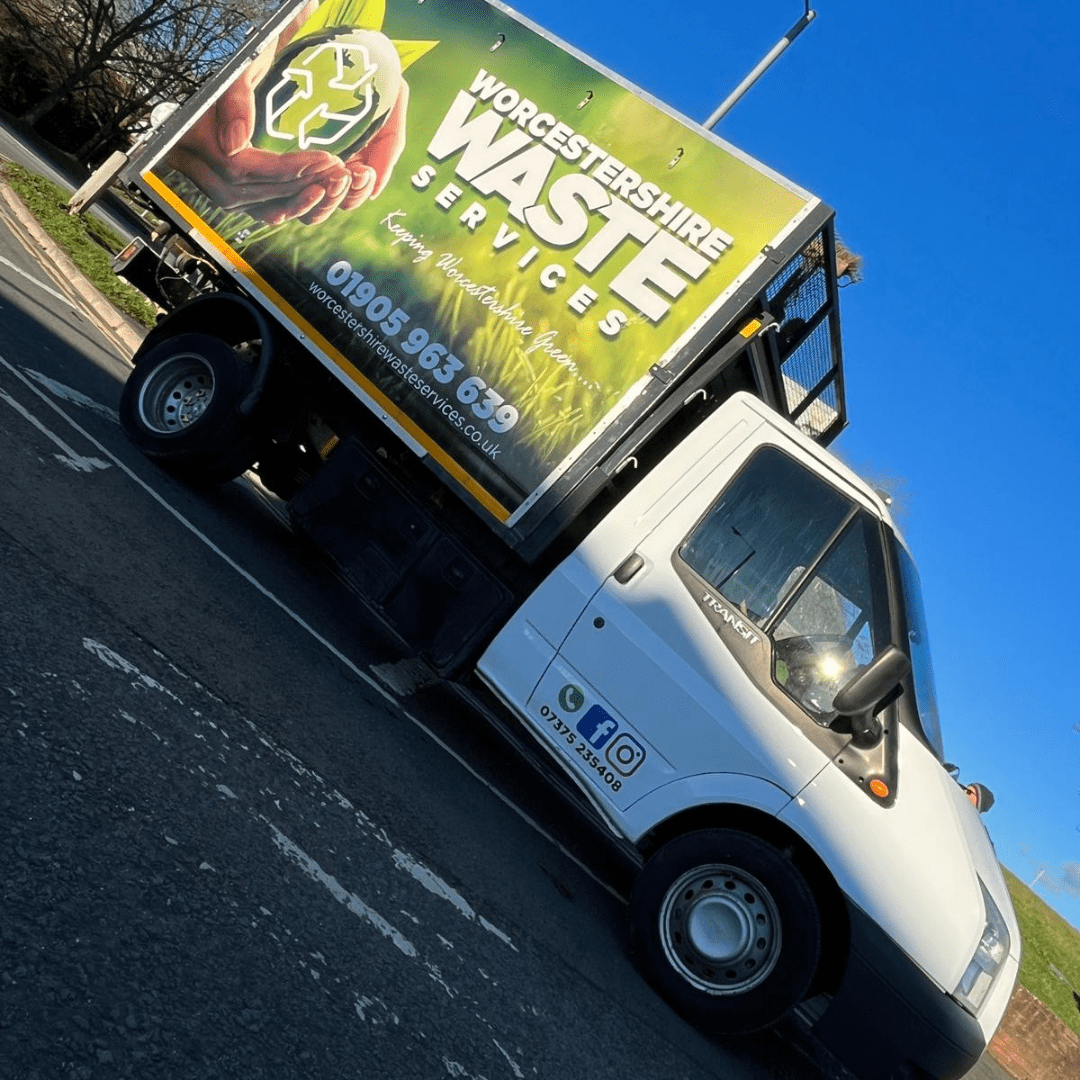
Waste management is a critical service that plays a crucial role in maintaining hygiene and health in our neighborhoods. Adequate waste management makes sure that trash and further disposable items are collected, hauled, and disposed of in a way that complies with environmental regulations and promotes public health. With increasing city growth and spending habits, the amount of rubbish produced has surged, making optimal waste removal essential for green living.
Selecting the appropriate waste removal service can be challenging, due to the multitude of options present. Criteria such as service reliability, cost, and the company's commitment to eco-friendly practices should be considered. Understanding the variances between home and business waste removal services is furthermore key, as the demands and scale of services can differ widely. Users should consider their individual needs to find a provider that aligns with their waste management goals.
Additionally, waste removal extends beyond the basic gathering of waste; it involves a complete approach to dealing with waste ethically. This includes repurposing, reducing the quantity of waste generated, and the safe disposal of toxic materials. By fostering knowledge and motivating involvement in appropriate waste disposal practices, societies can reduce the green footprint of waste and enhance the standard of life for all citizens.
Optimal Strategies for Waste Management
Effective waste management begins with grasping the various categories of waste and their proper disposal methods. Segregating waste at the origin is crucial; households and businesses should distinguish recyclables, organic waste, and general waste to assist proper handling. Providing clear bins for each category with informative labels can help people follow waste management guidelines. This simple act can greatly enhance recycling efforts and promote responsible disposal, ultimately reducing the amount of waste that is deposited in landfills.
Another critical practice is to employ regular waste audits to examine waste generation patterns. By reviewing what types of materials are being discarded, people can identify possibilities for waste reduction and recycling. Implementing composting programs for organic waste and taking part in community cleanup events also promote awareness and responsibility regarding waste disposal. These initiatives can lead to innovative solutions for minimizing waste before it requires removal.
Finally, encouraging collaboration with local waste removal companies can improve the efficiency of waste management strategies. Tip Runs Rame can offer valuable insights into best practices, technology, and regulatory compliance. By collaborating with a waste removal service, businesses can ensure that waste is handled responsibly and that any hazardous materials are disposed of safely. Regular communication about waste disposal requirements and schedules can further enhance the management process, ensuring a cleaner and healthier environment for all.
A Future Outlook of Waste Management
As we move to the next decade, waste disposal is ready to experience significant transformation influenced by innovations in tech and growing environmental concern. New technologies such as smart waste bins equipped with smart sensors and the Internet of Things are paving the way in developing more efficient waste management systems. These technologies enable real-time data collection, which enables for improved collection routes and schedules, lowering fuel consumption and improving service delivery.
A further critical aspect of the future of waste disposal is the heightened concentration on circular economic principles. This philosophy highlights lessening waste by reusing and recycling materials. Companies are more and more investing in solutions that change waste into usable materials or energy, thus lessening reliance on waste sites and supporting sustainability. Enhanced recycling methods, such as chemical recycling, permit previously unrecyclable plastics to be processed, further completing the waste loop and saving natural resources.
Ultimately, public knowledge and education will play a vital role in guiding waste disposal practices. As communities grow more educated about the environmental impacts of waste, individuals and businesses will possibly adopt more responsible disposal habits. Programs that support minimizing waste at the source, appropriate sorting of recyclables, and safe disposal methods will become Routine, fostering a culture of sustainability that values protecting our planet for generations to come future generations.