

As householders search for sustainable and green solutions for heating and cooling their houses, heat pumps have become like well-liked option for traditional heating, ventilation, and air conditioning systems. Delivering a unique combination of contentment, effectiveness, and environmental benefits, these systems are revolutionizing the manner we think about keeping a nice indoor climate all year round. This article, we will examine the essential information about these systems, aiding you in deciding whether they are the best option for your property.
Starting with comprehending their functionality plus their efficiency in comparison with conventional heating solutions, to exploring the cost of installation and tips for maintenance, we strive to offer a comprehensive introduction to heat pump systems. Whether you are thinking about a heat pump system in a new build or perhaps a remodel, we will address the key factors, covering how they perform in cold weather, common myths, plus the likely return on investment. Participate as we look into the prospects of home heating and climate control through the perspective of heat pumps.
Understanding Heat Pump Systems
These systems are innovative systems that provide both warmth and cooling for homes by transferring heat rather than producing it. They work by extracting heat from the air, soil, or liquid outside and moving it inside during cold seasons, while in summer, they reverse the process to cool your house. This cycle of heat transfer is what makes heat pumps an energy-efficient substitute to traditional heating solutions like boilers.
One of the primary pros of heat pumps is their efficiency. They typically have a larger Seasonal Energy Efficiency Ratio (SEER) and Heating Seasonal Performance Factor (HSPF) compared to traditional HVAC systems. This means they can provide more heating or air conditioning output per unit of electricity consumed, making them an appealing option for homeowners looking to reduce utility costs. Furthermore, advancements in technology are making heat pumps more effective in colder climates, tackling a common concern for potential customers.
In addition to efficiency, heat pumps also offer environmental benefits. By leveraging renewable energy from the air or earth, they decrease reliance on non-renewable energy sources and help to lower greenhouse gas emissions. As more homeowners consider sustainability in their energy choices, heat pumps offer a strong case as both an greener and economical heating and cooling solution.
Comparing Efficiency: Heating Pumps vs. Standard HVAC Systems
Heat pumps are recognized for their energy efficiency, especially when compared to conventional heating systems like boilers or electric baseboard heaters. They work by moving heat rather than producing it, allowing them to use considerably less energy. While conventional heating systems convert fuel or electricity into heat, heating pumps can provide as much as three times more heating or cooling energy than the electricity they use. This efficiency can lead to significant savings on energy bills, making heating pumps an attractive option for homeowners looking to lower their costs.
Conversely, conventional HVAC systems commonly have lower efficiency ratings, notably older models. Heating furnaces typically operate at around 80%-98% percent efficiency, and while they can be functional, they require more energy input for the equivalent heat output as a heat pump. Moreover, traditional systems frequently burn fossil fuels, which not only does it add to increased operational costs but also raises environmental concerns regarding emissions and climate change. As homeowners become increasingly more eco-conscious, heating pumps emerge as a cleaner and more sustainable choice.
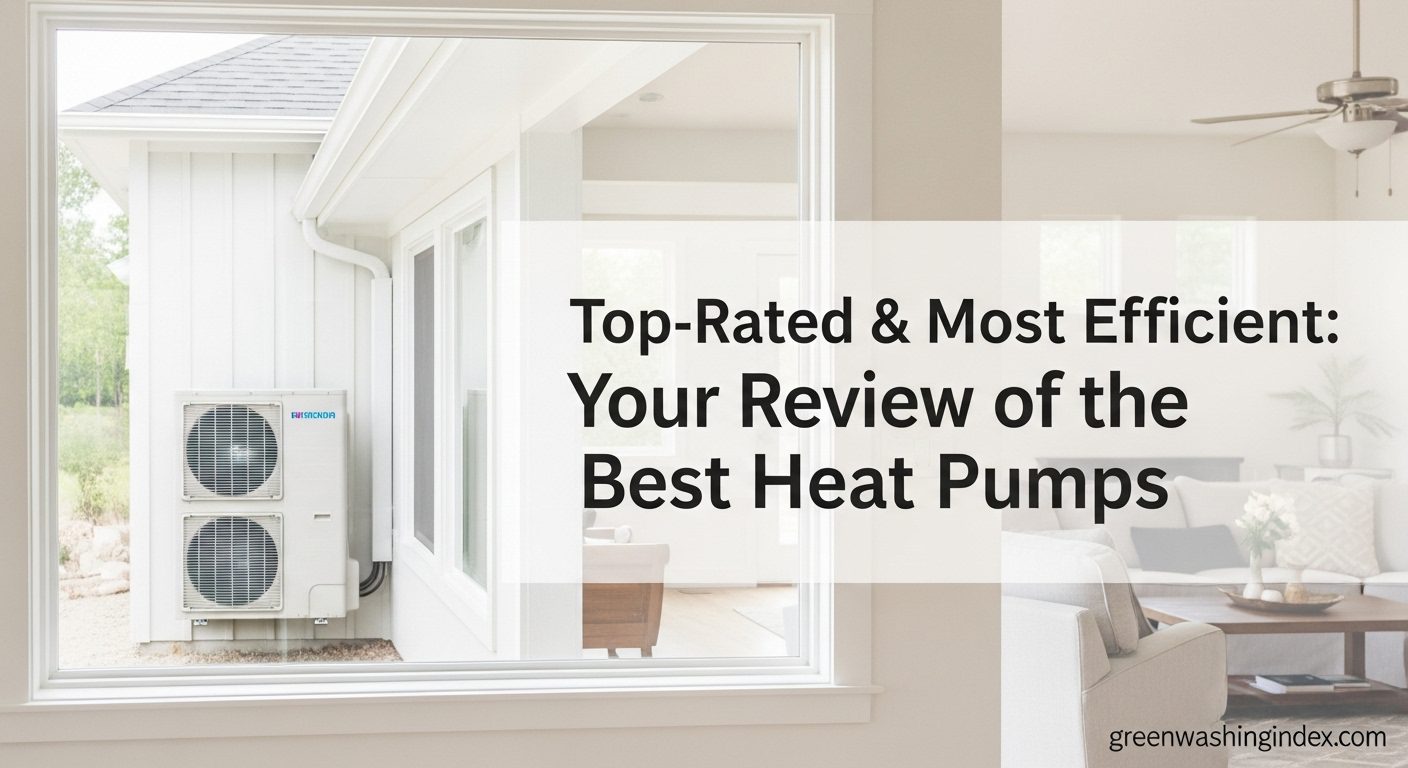
The effectiveness of heating pumps may differ based on the climate they function in. In mild climates, heat pumps can operate remarkably year-round. However, in chillier regions, like Colorado, their efficiency can dimish as outdoor temperatures drop, leading some to explore backup heating methods. Dual-fuel systems, which combine a heating pump with a traditional furnace, can provide a compromise approach. In conclusion, understanding the variations in efficiency can help homeowners make educated decisions that align with their comfort requirements and budget.
Setup and Care Essentials
When considering a heat pump, installation is a vital aspect that homeowners should prioritize. Proper installation ensures optimal efficiency and effectiveness. It is suggested to hire a qualified professional who can evaluate your home’s particular needs and configure the system properly. Considerations such as the size of the heat pump and the layout of your home play important roles in how well the system will function. For new builds, integrating the heat pump into the design can enhance performance, while upgrading existing homes may require further considerations for deployment needs.
Regular maintenance of your heat pump is vital to increasing its lifespan and ensuring peak efficiency. Property owners should create a routine care schedule that includes washing or replacing filters, checking ducts for leaks, and having the system evaluated by a professional at least every year. This proactive approach helps spot potential issues early, reduces energy consumption, and enhances overall comfort in your living space. Moreover, many manufacturers offer warranties that can be maintained with proper care.
Grasping common problems that can arise with heat pumps can also aid in efficient upkeep. Heat Pumps Sheffield Yorkshire as strange noises, diminished heating or chilling performance, or the system not responding to thermostat changes can indicate fundamental issues. Getting acquainted yourself with these signs allows for swift troubleshooting or professional intervention. Additionally, informing yourself about seasonal modifications, especially in climates with harsh temperatures, can further optimize your heat pump’s performance, ensuring you obtain the full benefits of your purchase.