

The safety of electricity is a key aspect of home and business maintenance that frequently goes ignored. Numerous people do not understand the imminent hazards sneaking behind walls and beneath surfaces until it's too late. This is where electrical assessments come into effect. These detailed assessments help identify issues that could pose significant risks, such as the risk of fire, shocks from electricity, or malfunction of equipment. Understanding what an assessment of electrical systems entails and why it is vital can safeguard lives and properties simultaneously.
From spotting typical problems to ensuring compliance with safety standards, electrical inspections play a crucial role in keeping both home and commercial properties protected. Whether you are a property owner, a new buyer, or a business owner, staying updated about the importance of these inspections can help protect your investments and ensure the safety of everyone in your space. As we explore the aspects of electrical assessments, you'll discover how routine assessments can avert disasters and promote a protected, efficient, and energy-efficient environment.
Understanding Electrical Assessments
Power assessments are a vital component of residential and business property maintenance. They entail a thorough examination of the electrical infrastructures, cabling, and components to verify they adhere to hazard standards and regulations. The primary objective is to identify any possible hazards or code violations that could present risks such as power fires or device failures. Regular evaluations help maintain safe settings for residents and shield important assets.
The significance of power assessments cannot be overstated. They not only boost safety but also play a vital role in enhancing power efficiency. By spotting inefficient or defective networks, assessments can lead to improvements that amplify the overall power performance of a property. This proactive approach often yields lower energy expenses and a lowered environmental impact, which is beneficial for both residents and enterprises.
For property owners, comprehending the electrical inspection process is key. During an assessment, a licensed expert assesses the state of all power networks, from service panels to outlets. They examine for any indicators of damage or damage and assess compliance with the latest electric codes. Knowing what to anticipate can reduce concerns and make certain that necessary repairs are promptly resolved, ultimately shielding both the property and its residents.
Common Issues and Risks
During power system evaluations, several common issues can be identified that pose risks to security and functionality. One of the most common problems is old electrical systems, which can lead to electrical shorts and fires caused by electricity. Older homes often have wiring that does not meet modern electrical standards or is made from compromised materials. Additionally, poor grounding and bonding can expose a property to shock hazards and increase the likelihood of appliance malfunction.
Another significant concern is circuits that are overloaded, which can result from an surge of electronics plugged into a one outlet or circuit. This issue is particularly common in older homes where the wiring were designed for a much lower demand. Inspectors often find improper use of extension cords and power strips, which, although convenient, can contribute to overheating and fires if not watched properly.
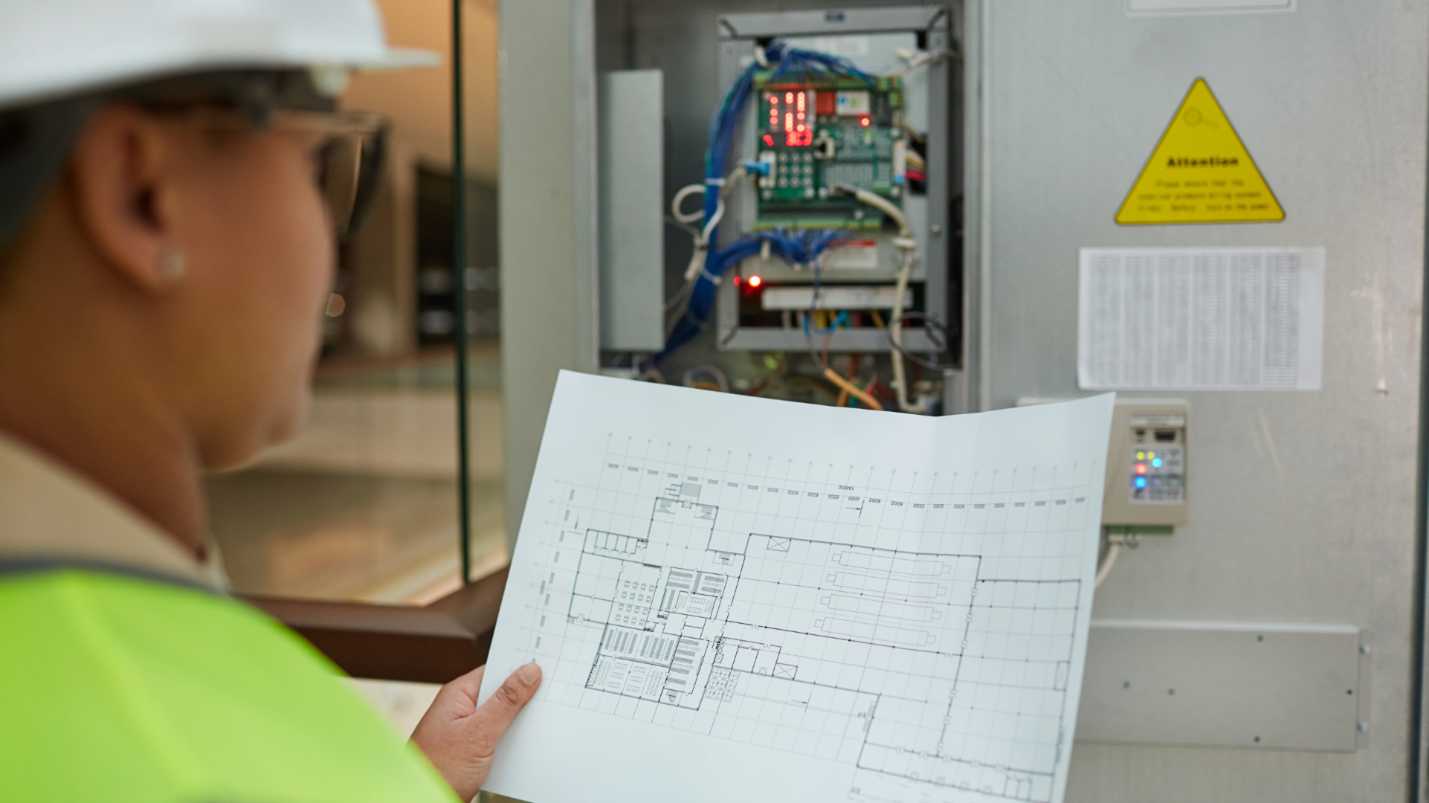
Faulty installation of electrical components is also a key finding during inspections. This includes insecure wiring, absent covers, and improperly installed outlets or switches. Such problems can not only lead to dangerous conditions but can also affect the stability of power systems in a building or construction. Tackling these common issues through regular inspections is vital to ensuring a secure and effective electrical environment.
The Importance of Frequent Checks
Regular electrical checks are crucial for upholding the safety and functionality of all property. With time, wear and tear can lead to problems that may not be immediately visible to homeowners or entrepreneurs. Checks help detect possible dangers, such as faulty wiring, excessively loaded circuits, and obsolete electrical systems that could pose fire threats. By addressing these risks proactively, property owners can dramatically reduce the chances of electrical failures and guarantee the safety of their occupants.
Furthermore, routine checks play a crucial role in ad here nce with regional regulations and legislation. Many areas require electrical checks to meet safety protocols, especially in historic properties or after significant renovations. By setting up routine evaluations, homeowners and landlords exhibit responsibility in ensuring safe living conditions. This conformance not only ensures the safety of residents but also helps prevent legal problems and sanctions related to compliance failures.
In furthermore to safety and compliance, routine electrical inspections contribute to the overall performance and lifespan of electrical systems. Identifying and fixing issues can lead to lower energy bills and improved performance of electrical equipment. Learn here and businesses that value these evaluations effectively protect their assets, enhance the value of their properties, and experience reassurance knowing their electrical systems are in optimal condition.