

Power is an essential part of our everyday lives, supplying energy to all devices from our kitchen appliances to our home entertainment systems. However, with this comfort comes the duty of ensuring that our electrical systems are secure and functioning correctly. This is where electrical system audits come into play. An electrical inspection is a thorough evaluation of the electrical system in a home or commercial space, conducted by a qualified professional. It is not only important for protection but also essential in maintaining the integrity and efficiency of electrical systems.
In this article, we will explore various facets of electrical inspections, including their importance, common issues that may be uncovered, and how often these assessments should be conducted. Whether you are a property owner, a tenant, or a business owner, grasping the ins and outs of electrical inspections can help protect your investment, enhance security, and ensure compliance with local codes. Join us as we explore what to expect during an electrical inspection and why it is crucial for contemporary life.
Comprehending Electrical Evaluations
Electrical evaluations represent systematic evaluations of a property's electrical infrastructure to ensure safety, compliance, and functionality. These inspections are carried out by qualified inspectors who examine the integrity of wiring, electrical panels, outlets, and devices. The primary aim is to detect any possible dangers or code violations that could pose risks to residents.
The importance of electrical inspections cannot be overemphasized. They help prevent electric malfunctions that can lead to hazardous scenarios such as fires or shocks. Evaluations are particularly crucial for older homes where wiring may not meet modern compliance standards. Routine inspections can also enhance efficiency, facilitating for homeowners to detect areas where enhancements may be beneficial.
For homeowners and business property owners alike, comprehending the details of these evaluations is essential. During an inspection, various components are checked, including the earthing arrangement, circuit breakers, and load limits. By taking initiative and arranging inspections, property owners can confirm their electrical infrastructures are safe, regulation-compliant, and effective.
Common Issues and Fixes
Electrical evaluations often reveal a range of typical problems that can pose danger and compromise the effectiveness of a setup. One recurring issue is old wiring, which may not meet current regulations or could be inadequate for current electrical loads. Learn more here involve modernizing to better, updated electrical wiring and adding sufficient breakers to handle higher demands, ensuring compliance with safety codes.
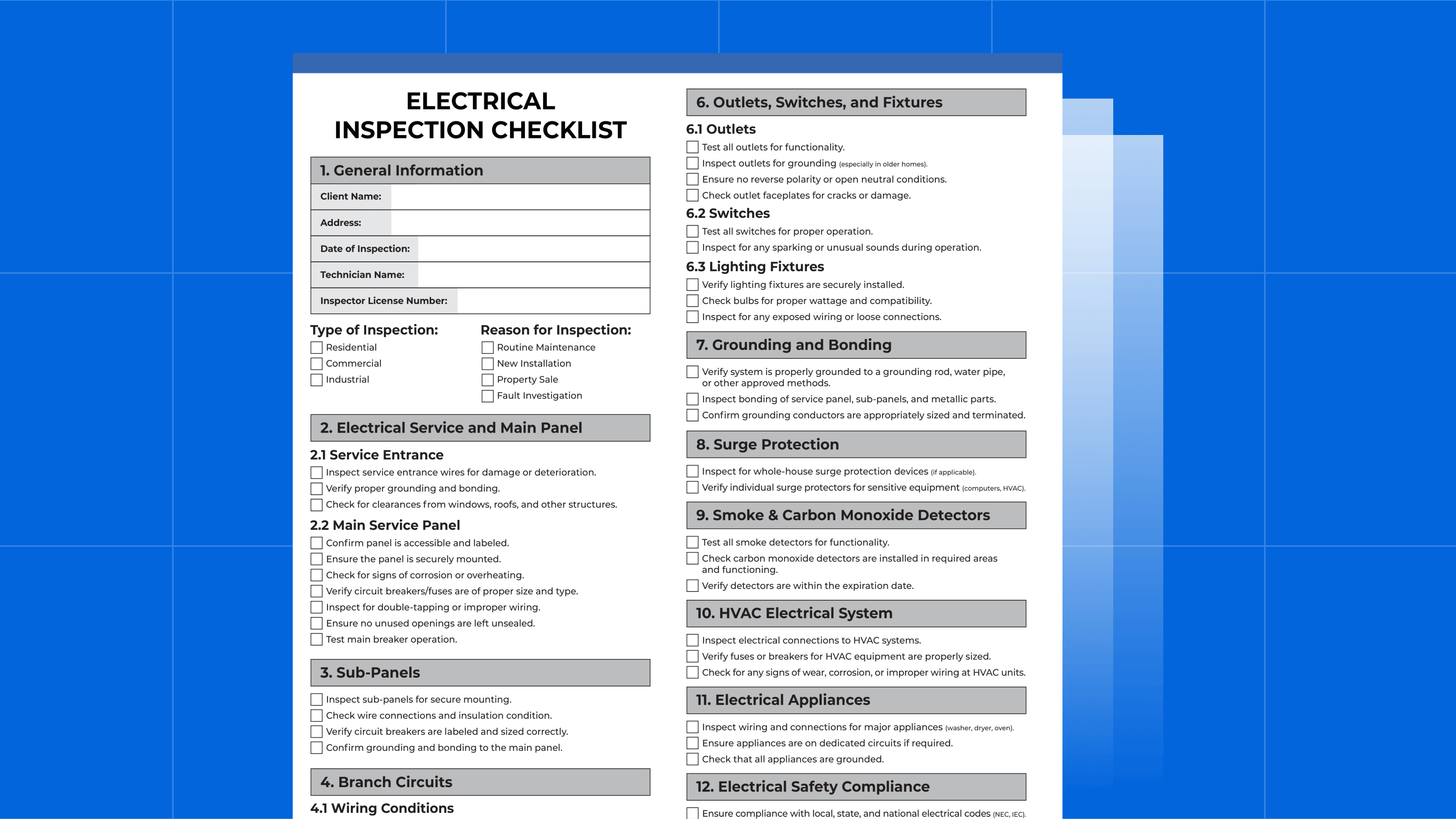
Another common issue is inadequate grounding, which can lead to hazards of electrical shock and faulty equipment. To address this, inspectors advise having a licensed electrician check the ground system, make required adjustments, and install GFCIs where needed. This improvement can significantly enhance overall safety by reducing risks associated with electrical surges and faults.
Lastly, excessively loaded circuits are frequently found during inspections. This can occur when an overload of appliances are connected to a solitary circuit, increasing the risk of overheating and fire hazards. Resolutions include spreading out the load across multiple circuits and adding additional circuits when required. Confirming that circuits are not overburdened helps maintain secure and effective electrical systems in houses and businesses alike. Importance of Consistent Inspections
Regular electrical inspections are crucial for maintaining the safety and efficiency of all property. A primary factor to conduct these inspections is to detect and rectify probable hazards before they grow into significant problems. Malfunctioning wiring, outdated systems, and overlooked wear and tear can lead to unsafe situations such as fires or equipment malfunctions. Confirming that your electrical system is regularly inspected lessens risks and boosts the safety of all inhabitants in the property or business.
In addition to safety, regular inspections can also enhance the energy efficiency of a property. Over time, electrical systems can become diminished due to outdated components or poor maintenance. An inspection can reveal areas where upgrades can lead to reduced energy bills and reduced environmental impact. By carrying out routine inspections, property owners may also discover opportunities for local rebates and energy-saving programs aimed at improving electrical systems.
Ultimately, for homeowners and businesses looking to sell their properties, regular electrical inspections can be a important asset. They show proactive oversight of the property and confirm compliance with local regulations. Buildings that have received recent inspections may attract purchasers or tenants who consider safety and functionality. Therefore, staying proactive with regular electrical inspections not only defends against emergencies but also promotes long-term financial benefits in the property.