

As homeowners seek increasingly efficient and sustainable solutions to address their heating and cooling needs, heat pumps are emerging as viable option. Such modern systems not just promise substantial reductions on energy bills, and offer a range of benefits that can boost indoor comfort throughout the year. Amidst the growing awareness of climate change and rising energy costs, understanding how heat pumps work and their advantages over traditional HVAC systems is essential than ever.
In this piece, we will examine everything you need to know about heat pumps, from their efficiency in cold climates to their installation costs and maintenance demands. Whether you are considering a switch in 2026 or simply curious about how to lower your energy bills, this detailed guide will assist you in navigate the path of investing in a heat pump for your dwelling. Join us as we delve into the future of home heating and cooling, revealing the lasting savings and benefits that come with making this environmentally friendly choice.
Understanding Heat Pumps
Thermal pumps are cutting-edge systems that transfer heat between the indoors and outdoors, providing dual climate control functions. In contrast to conventional HVAC systems that generate heat through combustion or resistance, heat pumps utilize the concepts of thermal dynamics to move heat from one place to another. This functions on the fundamental idea that in winter, heat pumps draw warmth from the outside air or ground and bring it indoors, while in summer, they invert the cycle to cool the home by removing heat outdoors.
The effectiveness of heat pumps is a significant advantage, as they can deliver more energy in heating or cooling than they consume. This is measured using a metric called the coefficient of performance, which typically ranges from 2 to 5 for the majority of systems. Air Source Heat Pumps Bradford Yorkshire indicates that for each unit of energy used, heat pumps can generate two to five units of heating or cooling. This makes them a more sustainable and affordable option compared to conventional systems, especially as energy costs continue to rise.
In addition to their efficiency, heat pumps contribute to improved indoor comfort by providing consistent temperatures and better air quality. They often are with advanced features such as smart thermostats and zoning capabilities, which enable homeowners to customize their climate control settings for each room. As concerns about climate change and energy consumption increase, many are viewing heat pumps as a practical solution for sustainable home climate control, paving the way for a greener future.
Benefits and Savings
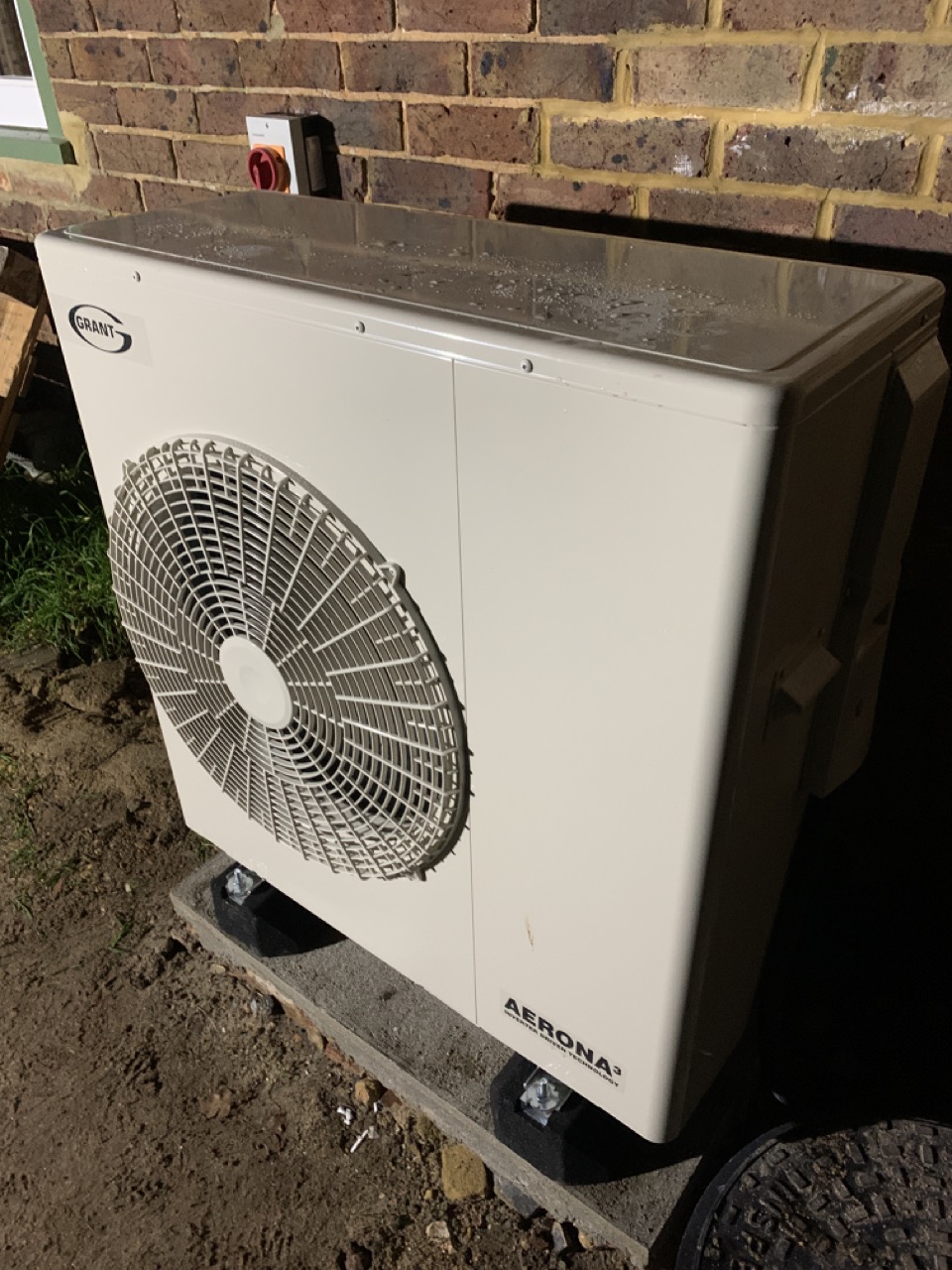
Putting money in a heat pump system can result in significant long-term reductions on energy bills. Unlike traditional HVAC systems, heat pumps function by moving heat rather than producing it through burning. This efficiency allows homeowners to reduce their energy consumption, often leading to decreased utility costs. In fact, studies show that heat pumps can achieve energy efficiency ratings that are 2 to three times greater than traditional heating and cooling systems, making them an appealing option for budget-aware homeowners.
Another noteworthy benefit of heat pumps is their versatility in both heating and cooling, which effectively eliminates the need for distinct systems. This dual functionality not only reduces money on setup and maintenance costs but also allows for consistent indoor comfort year-round. Homeowners can enjoy an effective heating solution during the winter months while seamlessly transitioning to cooling in the summer, enhancing overall home comfort.
Moreover, many regions provide rebates and tax credits for putting in energy-efficient heat pumps, thereby enhancing the return on investment. As energy efficiency becomes more important, taking advantage of these monetary incentives can significantly offset the initial installation costs. By switching to a heat pump, homeowners not only place themselves for long-term savings but also contribute to a more sustainable future through lowered carbon emissions and energy consumption.
Setup and Upkeep
Installing a heat pump can be a simple process, but it requires thorough planning and the right expertise. It's essential to choose a heat pump that is appropriately sized for your home, as incorrectly sized units can lead to poor performance and discomfort. Homeowners should consider consulting a qualified installer who can evaluate their needs, evaluate their property, and recommend the best type of heat pump, whether it's air source, ground source, or another option. Proper installation ensures optimal performance and durability of the system.
Maintenance is key to maximizing the lifespan and effectiveness of a heat pump. Regular check-ups can catch potential issues early, which helps avoid costly repairs down the line. Homeowners should adhere to basic maintenance tips such as consistently cleaning or replacing air filters, keeping the outdoor unit free of debris, and scheduling professional service at least once a year. By keeping the system well-maintained, you can enjoy reduced energy bills and consistent indoor comfort throughout.
It's also crucial to be aware of common issues that can arise with heat pumps, such as low refrigerant levels or defective thermostats. Knowing how to troubleshoot these problems can assist you address minor issues before they escalate. Additionally, many manufacturers offer guarantees for their heat pumps, which can alleviate concerns about repairs. Investing in a heat pump system paired with a reliable maintenance plan is a proactive step towards energy savings and enhanced home comfort.