

Property surveyors play a essential role in the area of property ownership and construction, acting as the backbone of land management and construction projects. If you are a homeowner, a developer, or simply curious about the profession, grasping what surveyors do can significantly improve your appreciation for the careful work they undertake. From boundary delineation to complex construction planning, surveyors ensure that each square foot of land is precisely measured and mapped, preventing costly errors and disputes down the line.
For property owners, knowing when and why to hire a surveyor is essential. A land survey is often necessary before purchasing property, as it can uncover vital information about boundaries, zoning regulations, and any possible disputes with neighboring properties. Moreover, the advancements in technology, such as GPS and drone surveying, have revolutionized the method surveyors work, making processes quicker and more precise than ever before. In this article, we will explore the various facets of surveying, exploring its importance not just in property transactions but also in construction and infrastructure projects, while noting the key questions you should think about when hiring a certified surveyor.
Comprehending the Importance of Land Surveyors
Land surveyors have a vital role in property management and real estate development, providing necessary services that support in the accurate assessment and definition of land. They are skilled experts who employ specialized tools and techniques to determine the limits, terrain, and characteristics of a specific parcel of land. This procedure helps guarantee that property lines are distinctly defined, which is crucial for stopping disputes and facilitating successful transactions.
Their job extends past merely marking limits; surveyors also evaluate land for construction projects, confirming that structures are built properly and safely. By scrutinizing land features and carrying out thorough evaluations, they help architects and engineers avoid potential errors during the construction phase. This cooperative effort not only improves the standard of the project but also saves time and resources by eliminating costly mistakes.
In addition to their technical skills, surveyors must be well-versed in local regulations and standards. This knowledge is essential for confirming that all surveying activities are compliant with legal requirements. Whether it's a basic residential property survey or a challenging commercial assessment, they provide invaluable insight and expertise that aids both property owners and developers throughout the complete process.
Types of Real Estate Survey Types and Their Significance
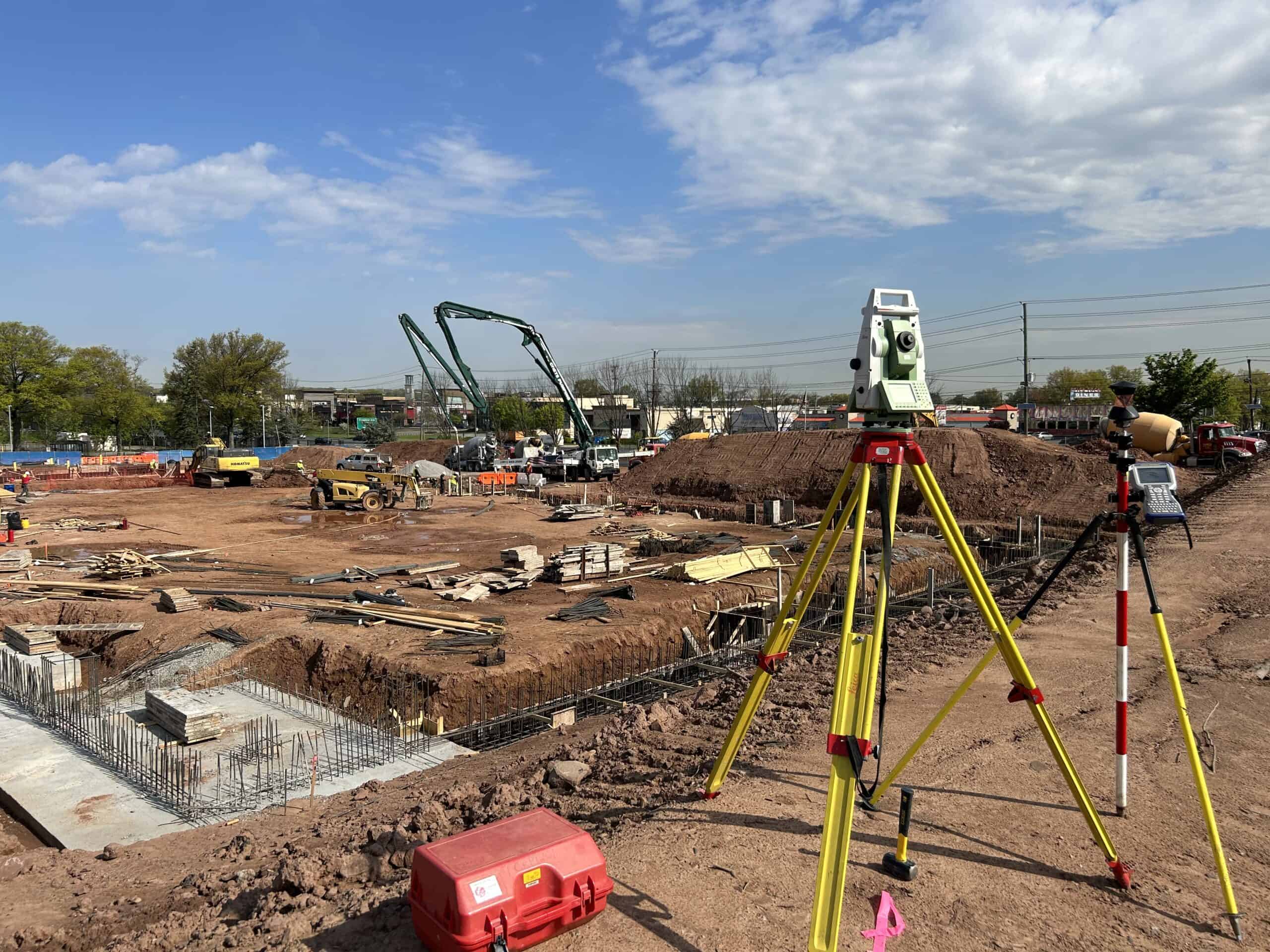
Land surveys come in various categories, which serving specific purposes and addressing individual needs in real estate ownership and development. Boundary measurements are arguably the most recognized, determining the precise lines that define a property’s edges. This type of survey is essential in preventing disputes between neighboring landowners and ensuring that all property developments stay in legal boundaries. In a similar vein, topographic surveys illustrate the shapes of the land, showing elevations and depressions, which are crucial for planning construction projects, landscaping, and drainage systems.
One more significant type is the ALTA/NSPS survey, which is often required for commercial real estate transactions. These surveys provide thorough information about boundaries, easements, and improvements on the property, ensuring that buyers have a complete understanding of that they are investing in. Moreover, construction surveys are vital as they guide builders in positioning structures with the planned design. They help in marking exact locations for footings and other features, thereby minimizing costly errors during construction.
Understanding the different types of surveys and their importance enables property owners and developers to make wise decisions. Each survey type offers insights that can protect investments, facilitate compliance with legal requirements, and aid in efficient land use. Engaging the right surveyor for the correct survey type can not only enhance the quality of projects but also pave the way for smoother transactions and fewer disputes in the long run.
Steering the Surveying Procedure
Understanding the surveying process is essential for landowners and construction professionals alike. It commences with an first meeting where the surveyor talks about the project scope, specifications, and particular requests of the customer. During this stage, it’s important to express any worries or doubts you might wish to raise. The land surveyor will then outline the different surveys that may be required and provide an quote of the costs involved. Utility Surveys Yorkshire sets the groundwork for a successful surveying experience.
Once the agreement is reached, the surveyor performs fieldwork, which entails going to the site to collect data. This may include measuring distances, determining elevations, and using technology such as Global Positioning System or drones to improve accuracy. Depending on the survey category required—boundary, topography, or others—the land surveyor will collect important information to prepare for evaluation. Clients should be ready to see their site from a new perspective as the process progresses, and they may be welcome to ask questions or clarify details during this stage.
After on-site work is concluded, the surveyor creates a comprehensive report that contains maps, illustrations, and thorough descriptions of the results. Understanding this report is crucial, as it will often play a significant part in litigation, real estate transactions, and building preparations. Property owners should take the time to review the results with their land surveyor to resolve any potential concerns or misunderstandings. A properly conducted survey not only aids in compliance with laws but also enhances decision-making for future developments and initiatives.