

Waste disposal is a crucial aspect of today's lifestyle that often goes unnoticed until it becomes a pressing issue. As homeowners, grasping the details of waste management can significantly affect our ecosystem, physical health, and financial situation. With the ever-increasing amount of waste created in our households, managing this complexity can seem daunting. However, by embracing efficient waste management practices, we can assist in a healthier planet while also reducing costs in the long run.
In this manual, we will explore key tips to help homeowners improve their waste management practices. From understanding the importance of waste separation to learning how composting can greatly minimize household waste, each step we take brings us closer to a more sustainable future. We will delve into the repercussions of poor waste management and highlight the advantages of professional assistance designed to optimize these operations. Come along as Check out here uncover the ultimate guide to managing your waste management, making a positive change for your dwelling and the ecosystem.
Effective Waste Management Practices
Efficient refuse management methods are crucial for property owners aiming to lower their environmental impact and save expenses. First and foremost, refuse separation is a fundamental method that allows you to separate recyclables items from non-recyclables. This step is essential because it makes sure that recyclables are handled correctly, lowering the amount of waste disposed to landfills. By maintaining objects like cardboard, containers, and steel apart, you can assist recyclage efforts and help to a more green waste stream.
Another significant element of efficient waste management is creating compost. This method allows property owners to recycle organic waste, such as food scraps and yard waste, into nutrient-rich soil amendment for gardens. Not only does composting divert waste from waste facilities, but it also fertilizes the earth, promotes stronger plant growth, and lowers the dependency for artificial nutrients. Implementing a compost setup at your residence can markedly lessen the volume of waste you create while enhancing your garden and the ecosystem.
Furthermore, being conscious of shopping behaviors can enhance waste management methods. Choosing products with little containers, opting for sustainable resources, and adopting multi-use products are good strategies to reduce overall waste. This intentional method not only decreases what you discard but also inspires companies to embrace more sustainable methods. By emphasizing eco-friendly decisions, residents can take a significant role in promoting a culture of refuse lessening in their localities.
Eco-friendly Strategies for Property Owners
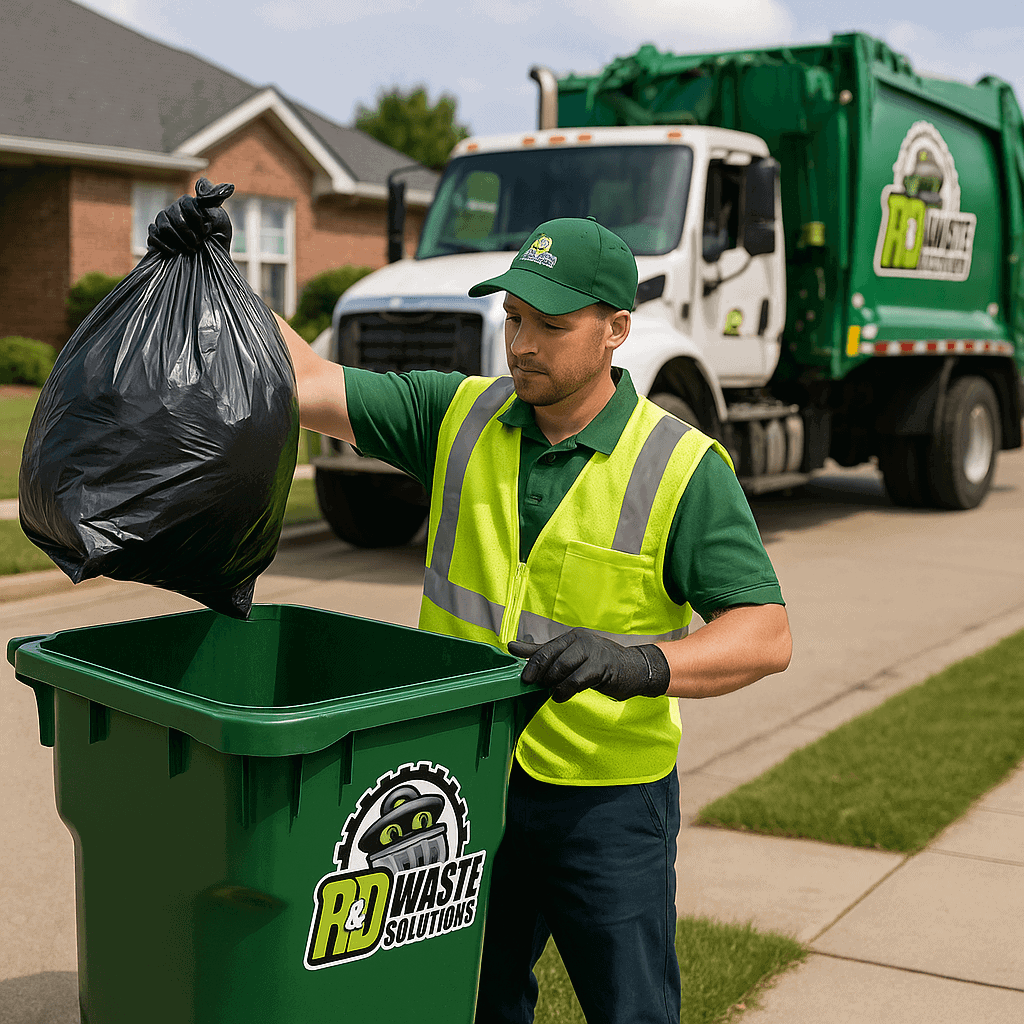
Property owners have a unique opportunity to participate in eco-friendly waste management methods, which not only advantage the environment but can also result in cost savings. One effective method is creating compost, which can significantly reduce household waste. By composting kitchen scraps and yard waste, property owners can create nutrient-rich soil for gardening, decreasing the need for store-bought fertilizers while reducing landfill contributions. This simple practice showcases how reducing waste at home can create a more sustainable lifestyle.
Another key aspect of eco-friendly waste management is waste sorting. By properly sorting waste into recyclables, compostables, and landfill items, homeowners can enhance recycling rates and ensure that materials are processed correctly. Understanding what can and cannot be recycled is crucial, as contamination can cause recyclable materials non-recyclable. Resources like Recycling 101 can help property owners learn the intricacies of local recycling guidelines and encourage them to make informed decisions about their waste.
Finally, investing in sustainable packaging solutions when shopping can make a significant difference. Selecting for products with low or biodegradable packaging helps reduce the amount of waste generated at home. Homeowners can also back businesses that prioritize sustainable practices, further fostering a shift towards responsible waste management in their communities. By making thoughtful choices, property owners can play an engaged role in building a circular economy and reducing their environmental impact.
The Importance of Tech in Waste Management
Technology transforms waste management in various manners, enhancing efficiency and efficiency. Smart bins that have sensors can monitor waste levels in real-time, alerting collection services when they are at capacity. This efficiency reduces unnecessary trips and fuel consumption, ultimately lowering operational costs. Furthermore, mobile applications let users to keep track of their waste, giving personalized tips on how to recycle and cut down on waste at home. By embracing these innovative tools, homeowners and businesses alike can simplify their waste disposal processes.
An additional significant technological development is the incorporation of data analytics. By analyzing waste generation patterns, organizations can better grasp their waste streams and identify areas for improvement. Data visualization tools can show this information clearly, helping stakeholders identify trends and make thoughtful decisions. For cities, this means creating more effective waste management strategies that cater to the specific needs of their communities and reduce landfill waste. The ability to harness data is revolutionizing how waste is managed.
Furthermore, the use of automated sorting systems in recycling facilities has greatly increased processing efficiency. These systems use artificial intelligence and machine learning to swiftly and correctly sort materials, significantly reducing contamination rates in recycling. As a result, an increasing amount of materials can be diverted from landfills and repurposed, contributing to a circular economy. Investment in these technologies not only improves recycling rates but also fosters sustainable practices among consumers by demonstrating the real benefits of proper waste management.