

Electrical evaluations are vital in ensuring safety and effectiveness of both home and business properties. Despite their importance, many false beliefs surround these inspections, leading property owners and entrepreneurs alike to ignore the necessity of frequent inspections. This article seeks to address common myths about electrical inspections and emphasize why they are essential for maintaining your home and financial interests.
From comprehending what an electrical inspection includes to understanding how frequently you should book one, we will cover essential aspects that all should be informed about. Electrical systems can be complex, and improper installations or antiquated wiring can cause significant safety hazards, including fire risks. By debunking these misbeliefs, we hope to empower readers to make knowledgeable decisions regarding their electrical systems and prioritize their safety and energy efficiency.
Comprehending Electrical Energy Inspections
Electrical inspections represent thorough evaluations of a building's electrical infrastructure to ensure they adhere to safety regulations and align with community codes. These inspections prove to be vital for detecting latent risks, guaranteeing safe functioning, and preserving the reliability of the energy infrastructure. An inspection typically inspects wiring, control boxes, sockets, and safety devices to confirm everything functions correctly and securely.
The importance of an energy inspection is critical. It is an important part of ensuring a safe environment in any residential or business setting. Routine inspections can avert power-related blazes, reduce the likelihood of shock, and aid in confirming that the power infrastructure is effective and reliable. They prove to be particularly vital when buying a new property, during extensive remodeling, or when the structure has older electrical systems.
In supplement to security concerns, energy evaluations frequently play a role in coverage criteria. Various coverage agencies may demand evidence of a current evaluation or order that specific improvements are completed. Understanding the inspection procedure can enable house owners and entrepreneurs get ready sufficiently, allowing a more seamless and more productive assessment of their energy systems.
Frequent Problems and Standards
During electrical inspections, various recurring problems often arise that can jeopardize the safety and performance of electrical systems. One recurring problem is the presence of outdated wiring, which may not meet current code requirements. This can lead to high temperatures and heighten the risk of electrical fires. Additionally, improper bonding is a common infraction that can affect the overall safety of the electrical system. Inspections help identify these risks and ensure that any necessary refurbishments are made to comply with current regulations.
Another common problem during inspections is the use of poor-quality or compromised components. For example, malfunctioning outlets and switches, frayed wires, or incorrectly installed fixtures are all problems that inspectors commonly find. These issues can create risks, including electric shocks or fires, and must be resolved promptly. Understanding these frequent issues can help homeowners preemptively address issues before they escalate into serious safety hazards.
Furthermore, following electrical codes is crucial during inspections. These codes are designed to ensure reliable electrical procedures across various settings, whether in homes or businesses. Inspectors assess whether installations have been performed according to these standards, which can differ by location and category of building. This code system helps protect both people and property by minimizing the potential for system malfunctions.
Safety and Regulatory Considerations
Electrical systems inspections play a vital role in guaranteeing the safety and adherence of residential and commercial properties. These inspections are crafted to detect potential hazards that could cause electrical shocks, short circuits, or even blazes. By following safety standards, property owners can significantly reduce the risk of accidents, protect their families, and maintain the stability of their electrical systems.
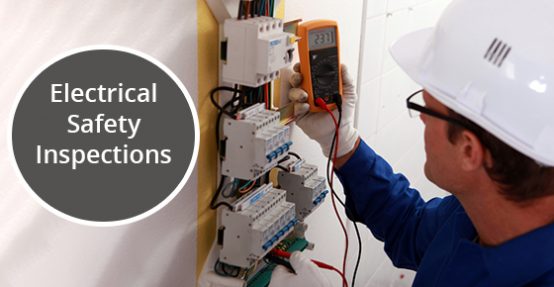
Furthermore, adherence with local codes and regulations is crucial for legislative and financial reasons. Not to meet these standards can result in fines, penalties, and issues with insurance claims. Regular inspections help ensure that electrical systems are in compliance with regulations and any necessary upgrades or repairs are quickly handled. This not only protects the property value but also safeguards the homeowner’s investment.
Lastly, engaging in electrical inspections promotes peace of mind. Knowing that a skilled professional has thoroughly evaluated the property’s electrical system allows homeowners to feel assured in the security of their environment. EICR Certificates Fife is particularly vital for landlords and property managers who have a responsibility to maintain secure living conditions for tenants. Regular inspections foster a atmosphere of safety and responsibility that benefits everyone involved.