

Being an boat owner, one know the great delight and independence that comes from enjoying moments on the water. However, with this privilege comes the obligation of safeguarding your asset. One of the key components in protecting your boat is selecting the appropriate cover. A proper boat cover not only protect against extreme weather conditions but adds to enhances the longevity and look of your vessel. Whether you are a seasoned sailor or a inexperienced boater, recognizing the significance of a high-quality boat cover can save you from costly repairs and maintenance later on.
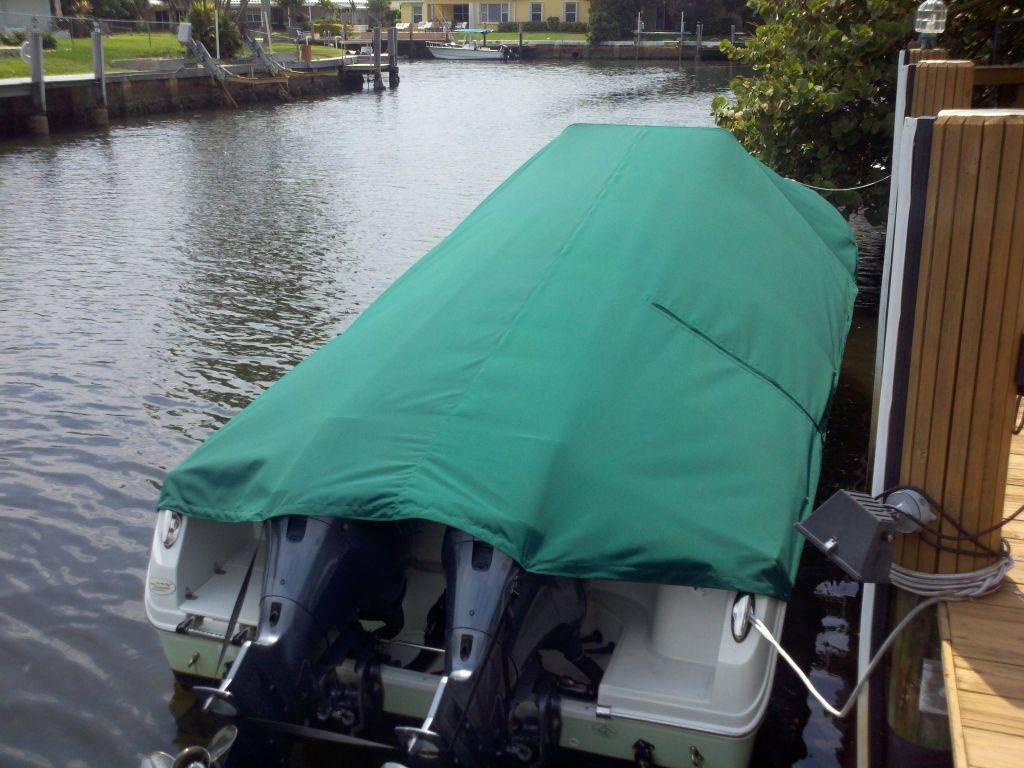
In this thorough guide, we will examine the key features of boat covers, including the different materials and styles on the market, tips for proper measurement, and how to look after your cover for best performance. You’ll discover the many advantages of investing in a top-notch cover and discover the common mistakes to avoid. From waterproof options to ultraviolet protection and a range of features, let's take a closer look into how the correct boat cover can keep your boat in excellent condition and set for your forthcoming adventure.
Selecting the Best Vessel Cover
Choosing the right vessel cover can significantly impact the durability and care of your boat. When considering a cover, it is crucial to match the dimensions and form to your vessel's requirements. This involves taking precise measurements and comprehending the contours of your boat. A snug protection will provide superior protection against the environment, ensuring that precipitation, snow, and ultraviolet light do not damage your asset.
Material selection is another vital aspect to think about when choosing a boat cover. Different materials offer diverse benefits, such as water resistance, breathability, and UV resistance. Common materials include polyester and heavy-duty fabric, each with its unique properties. Evaluating how frequently you utilize your boat and the typical climate conditions it will encounter can help guide you to the right material that combines durability with maximum protection.
Finally, think about whether a bespoke or universal cover meets your needs better. Bespoke protections are tailored specifically for your boat model, providing a snug fit and enhanced safeguarding. However, if budget constraints are a factor, standard covers can be a reasonable alternative. It is important to weigh the advantages and cons of each choice, ensuring that whichever protection you choose, it adequately protects your vessel while fitting your budget.
Essential Features of High-Quality Boat Covers
When picking a quality boat cover, durability should be a key consideration. A properly made cover is made from strong materials that can resist the conditions, including intense sunlight, rain, and wind. Look for high-quality fabrics such as canvas, which offer superior resistance to tearing and UV damage. Additionally, fortified seams and double-stitching can enhance the strength and lifespan of the cover, making certain it remains unbroken during hauling or in bad weather.
Another important feature is adequate waterproofing. While many boat covers are water-repellent, the best options offer genuine waterproof features, stopping water from penetrating through and leading to damage to your boat. To evaluate the level of protection, check for ratings on the material, as well as features like waterproof coatings or liners. read more is particularly important for boat owners who live in areas with significant rainfall or intense humidity, as a waterproof cover can help reduce mold and mildew growth.
In conclusion, consider the fit and adjustability of the boat cover. A tailored fit ensures maximum protection, but if you opt for a universal cover, look for adjustable straps, elastic hems, and a secure fastening system. This will help ensure the cover stays fixed during transport and does not move in the wind, which can cause abrasions. A secure fit also minimizes the risk of debris accumulation and extra protects your investment.
Maintenance and Care for Your Watercraft Cover
Proper upkeep and care are essential for extending the life of your watercraft cover and ensuring it remains effective in safeguarding your investment. Consistently cleaning your cover is important; grime, salt, and other contaminants can degrade the fabric over time. Use a mild soap and tepid water solution to gently scrub the surface, rinsing thoroughly to remove any soap residue. Avoid strong chemicals or bleach, as they can weaken the material. It's recommended to clean your canvas while it's spread out, either on the boat or laid flat, to prevent mold and mold buildup.
Storing plays a key role in the longevity of your watercraft cover. When not in use, ensure the cover is completely dry to avoid trapped moisture, which can lead to mold growth. Neatly fold the canvas tidily and store it in a cool, dry place. If you have a storage bag designed for your canvas, use it to protect against dust and pests. Additionally, always inspect for deterioration before stowing the canvas away; minor tears or deterioration can worsen if left unchecked.
Finally, consider using protective treatments that enhance the cover's water and UV resistance. Applying a textile protector can help maintain the cover's integrity against harsh weather elements. Continuously inspect your canvas for signs of deterioration, such as tattered edges or fragile seams, and attend to any problems promptly. By taking these measures, you can ensure that your watercraft cover serves its purpose effectively, safeguarding your boat for decades to come.