

Buying a pre-owned car can be an thrilling venture, offering the chance to own a trustworthy vehicle at a fraction of the price of a new one. However, maneuvering through the pre-owned car market requires careful consideration and due diligence to steer clear of expensive errors. With so many options available and potential stumbling blocks waiting to catch the naive buyer, it’s crucial to be fully equipped before completing a transaction.
In this handbook, we will examine key considerations to review before acquiring a used car, from grasping the difference between certified and non-certified vehicles to learning how to examine a car thoroughly. If you are a first-time or seeking to upgrade your vehicle, these advice will help you to make educated decisions while also retaining you costs. Let's get started and ensure you have the insight needed to find the ideal used car for your requirements.
Key Advice for Finding Trustworthy Used Cars
When searching for a reliable used car, one of the first steps is to create a clear budget. Decide how much you can spend to expend, not just on the cost of purchase, but also on coverage, servicing, and gasoline. This aids refine your possibilities and avoids you from overspending. Be sure to investigate different financing choices that fit within your budget, as this can greatly affect your purchasing power.
Next, do your due diligence on the make and type you are interested in. Research the reliability ratings, known problems, and overall performance of various vehicles. Resources such as consumer reports and automotive websites offer valuable information into which cars tend to be more durable and require fewer repairs. Pay particular attention to opinions from current owners, as they often offer real feedback about their experiences.
Lastly, do not omit the evaluation process. After identifying a promising car, arrange for a comprehensive inspection by a reliable mechanic. This measure can expose hidden problems that could cause costly repairs down the road. Additionally, check the records of the vehicle using a vehicle record to identify any collisions, title issues, or odometer discrepancies. These steps greatly enhance your chances of driving away in a dependable used car.
Methods to Inspect and Discuss Pre-Owned Vehicles
While examining a pre-owned vehicle, it is important to carry out a comprehensive examination both inside and out. Begin by searching for any visible signs of damage, such as dings, scratches, and oxidation. Pay special attention to the rubber and braking system, because they can show how well the car is maintained. Additionally, examine the front lights & taillights to make sure they are functioning well. On the inside, check all electrical systems, such as the stereo, AC, & windows. A well-maintained interior shows the history of ownership background & care given to the automobile.
Under the bonnet, search for any drips and inspect the liquid levels, such as motor oil, coolant, & gear oil. It is essential to examine the health of the timing belts & hoses for any breaks and deterioration. If you feel unsure to judge the mechanical aspects, you may want to taking a reliable car expert or using a pre-sale inspection service. They can provide an professional opinion & save you from potentially costly repairs in the future.
After you haved assessed the vehicle, it’s the time to talk price. Begin by investigating Used Cars For Sale Kidderminster of the car based on its manufacturer, type, and state to set a fair price range. Use your results from the check-up as bargaining chips when negotiating the cost with the seller. For example, if you observed any maintenance issues and cosmetic defects, bring them up to explain a reduced price. Get ready to step back should the price is not in line with the value you’ve established; there are many of different options available in case this one does not meet your requirements.
Understanding Financing and Warranties
When evaluating the acquisition of a used car, comprehending your funding options is essential. Many buyers may not understand that dealerships and banks offer multiple loan plans that can greatly affect your financial plan. It’s necessary to compare interest rates and terms, as well as to consider whether a stable or changing interest rate is more beneficial. Make sure to analyze your credit score beforehand, as it shapes the financing rates offered to you. Additionally, do not be afraid to bargain terms with lenders or dealerships; often, they may have flexibility that can adjust your ultimate payment arrangement.
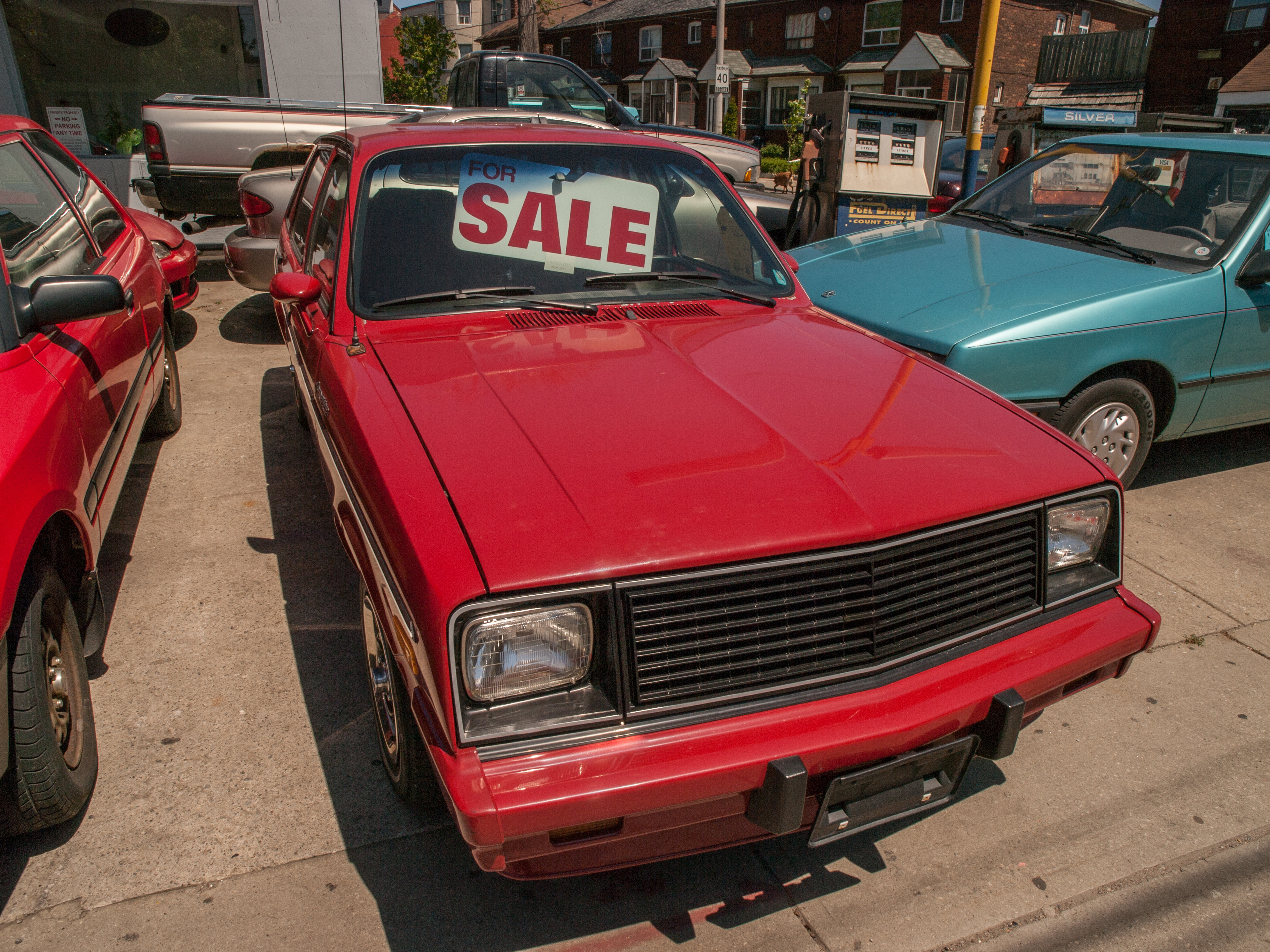
Warranties are another key factor to consider when acquiring a used car. Official pre-owned vehicles typically come with lengthened warranties that grant additional peace of mind. These warranties commonly cover serious repairs and can function as a safety net for unexpected complications. On the other hand, non-certified used cars may not come with any warranty, which can lead to higher out-of-pocket costs if something goes wrong shortly after acquisition. Before making a judgment, evaluate whether the peace of mind from a warranty validates any additional costs associated with certified vehicles.
In conclusion, always review the terms of any warranty carefully before you acquire. Various warranties may have particular requirements regarding maintenance or repairs that you must follow in to keep the warranty in force. Comprehending these specifics can save you from future troubles and potentially high-priced repairs. If an additional warranty is offered, assess its worth based on the car's age, reliability assessments, and your resources. This will help you make an wise decision on whether to spend in a warranty or rely on your own discretion and investigation.