

As homeowners seek more efficient and sustainable ways to warm and chill their homes, heat pumps have emerged a widely accepted option to traditional HVAC solutions. These versatile units not only provide climate regulation but also help in reducing energy costs and minimizing carbon footprints. However, the decision to transition to a heat pump entails with several factors to take into account. Is it truly justifiable the expense?
In the following guide, we will explore the pros and cons of heat pumps, examining their efficiency, performance in different climates, setup expenses, and maintenance needs. We will also discuss the potential savings and ecological benefits, assisting you decide if a heat pump is the right option for your residence. Whether you are contemplating a modern renovation or looking at options for new constructions, this comprehensive guide will provide you with everything you need to understand about heat pumps.
Grasping Heat Pumps
Heat pumps are flexible systems that provide not only warming and cooling for residences by transferring heat from one place to the other. They operate on the basis of heat exchange, drawing out heat from the external atmosphere or ground and moving it indoors during the winter, and vice versa in the summer. This process allows heat pumps to provide effective temperature regulation, making them an more preferred choice among property owners seeking eco-friendly and cost-effective HVAC solutions.
There are primarily 2 types of heat pumps: air-based and ground source, each with its unique benefits and drawbacks. Air source heat pumps extract heat from outside air, while ground source heat pumps, also known as geothermal heat pumps, utilize the earth's stable underground climate. Air Source Heat Pumps Barnsley Yorkshire between these types often depends on various factors, including climate, availability of space, and financial limitations.
One of the primary advantages of heat pumps is their energy effectiveness. They can provide nearly three times more energy in thermal output or cooling output compared to the electrical energy they consume. This efficiency leads to lower energy costs and a reduced carbon footprint, making heat pumps an eco-friendly choice. As homeowners grow more conscious of sustainable living methods, the demand for heat pumps is expected to increase, positioning them as a viable alternative to traditional HVAC systems.
Heat Pump Installation and Expenses
Putting in a heat pump involves several key factors that can impact both the installation process and the overall expense. Typically, you will need to assess the dimensions and kind of heat pump appropriate for your home, as well as the specific requirements for installation, such as duct installation for ducted systems or the design for ductless systems. Hiring professionals is often advised to ensure optimal performance and compliance with local codes, which can increase the upfront cost but ultimately provides peace of mind and efficiency benefits.
The cost of installing a heat pump can change markedly based on several aspects, including the type of system chosen, the difficulty of the installation, and the geographical location of your home. On average, homeowners may expect to spend between $2,000 to eight thousand dollars, depending on whether they opt for an air source or a more expensive ground source system. It's important to keep in mind not only the upfront costs but also potential long-term savings on energy bills, which can help offset the initial outlay over time.
Additionally, numerous homeowners may be eligible for cash back and tax credits that can further reduce installation costs. It is beneficial to research any available financial assistance in your area, as these can significantly impact the overall cost situation when considering the installation of a heat pump system. Talking to reliable installers can provide a clearer understanding of potential costs and lead to better-informed decisions regarding the most suitable solutions for your specific needs.
Effectiveness and Efficacy Assessments
Heat pumps stand out for their remarkable effectiveness in contrast to conventional HVAC units. They move heat as opposed to creating it, making them significantly more energy-efficient. This effectiveness results into lower energy expenses for householders. For instance, while electric heating might yield a 1:1 efficiency ratio, heat pumps can achieve ratios of 3-to-1 or greater, meaning they deliver three units of heating for every unit of electricity consumed. This effectiveness is particularly advantageous during mild weather scenarios.
When analyzing cold climates like the state of Colorado, heat pumps have made significant progress, notably with models designed for cold climates built specifically to function effectively in cool conditions. While their effectiveness may lag behind conventional heating systems during harsh cold periods, modern heat pumps still deliver substantial heating and cooling capability, improving upon legacy units. This allows householders in low-temperature areas to enjoy the advantages of heat pumps without giving up comfort.
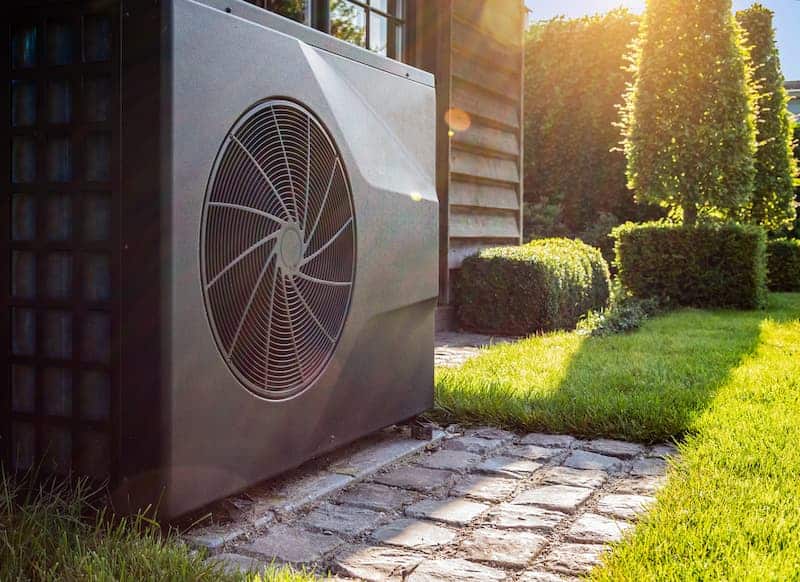
Moreover, the decision between air source and ground source heat pumps can influence efficiency and effectiveness. Ground source heat pumps typically provide superior performance metrics because they draw upon the relatively stable underground heat. However, the installation costs can be greater compared to air source mechanisms. Ultimately, selecting the right heat pump is based on the specific needs of a home, weather conditions, and cost constraints, making thorough study and consideration essential for improving home heating and cooling.