

Selecting the right HVAC system for your residence can seem challenging, particularly with numerous options and factors to keep in mind. Whether you're building a fresh home or enhancing your existing system, understanding the various types of HVAC solutions and their characteristics is crucial to arriving at an informed decision. This comprehensive guide will walk you through all you need to know, from energy efficiency to smart technology, guaranteeing that you find the right fit for your household's needs.
In addition to choosing the right system, caring for it is crucial for maximum performance and durability. We'll discuss practical tips for HVAC maintenance and troubleshooting, as well as important signs that indicate when your system requires urgent attention. Whether you're seeking to enhance indoor air quality, reduce energy bills, or maintain a pleasant environment throughout the year, this guide will equip you with the knowledge and tools required for a successful HVAC experience.
HVAC Equipment Maintenance
Regular care of your HVAC unit is crucial for ensuring its effectiveness and lifespan. A well-maintained system can reduce you expenses on utility bills and reduce the chance of unexpected breakdowns. https://mcmahon-reyes-4.blogbright.net/this-ultimate-handbook-for-picking-the-appropriate-hvac-unit includes duties such as inspecting and replacing air filters, cleaning ducts, and checking components for deterioration. Scheduling seasonal check-ups with a qualified technician can help identify issues early on, allowing for timely repairs that prevent more significant problems down the line.
Acquainting yourself with a seasonal maintenance guide can simplify the maintenance process. This checklist should include maintaining the condenser coils, checking refrigerant levels, and testing the thermostat. Ensuring that your system is devoid of debris and that all components are oiled will improve performance. Regular checks can also improve air quality in your home, crucial for a healthy living environment, especially for individuals with sensitivity.
In conclusion, being diligent about HVAC maintenance enhances to the overall efficiency of your system. Not dealing with minor issues can lead to serious repairs, and an poorly maintained system may function less effectively, causing higher energy costs. Understanding when to maintain your HVAC can create a consistent heating and cooling system, keeping your home cozy throughout the year.
Choosing the Best System
Choosing the best HVAC system for your residence is vital for ensuring both comfortableness and performance. Begin by analyzing the size of your home, layout, and insulation quality, as these factors will heavily influence the type and size of the system you want. For instance, a larger home may benefit from a central air conditioning system, while a compact space could be well served by a ductless HVAC system. Grasping your space will assist you in identifying the most suitable HVAC system that meets your demands.
Efficiency of energy is yet another key aspect when selecting an HVAC system. Seek out systems with high SEER ratings, which signify better energy efficiency and lower operating costs. Choices like heat pumps or ENERGY STAR rated systems can lead to significant savings on utility bills over time. Additionally, take into account how a smart thermostat can boost the energy efficiency of your system by refining temperature settings.
Ultimately, don't overlook the importance of professional consultation when selecting your HVAC system. An experienced HVAC technician can provide insights based on your needs and assist you through the selection process, aiding you steer clear of common pitfalls. They can also evaluate any specific challenges your home presents, such as moisture regulation or air quality needs, guaranteeing that the system you choose will provide maximum ease and efficiency throughout the year.
Boosting Inside Air Quality
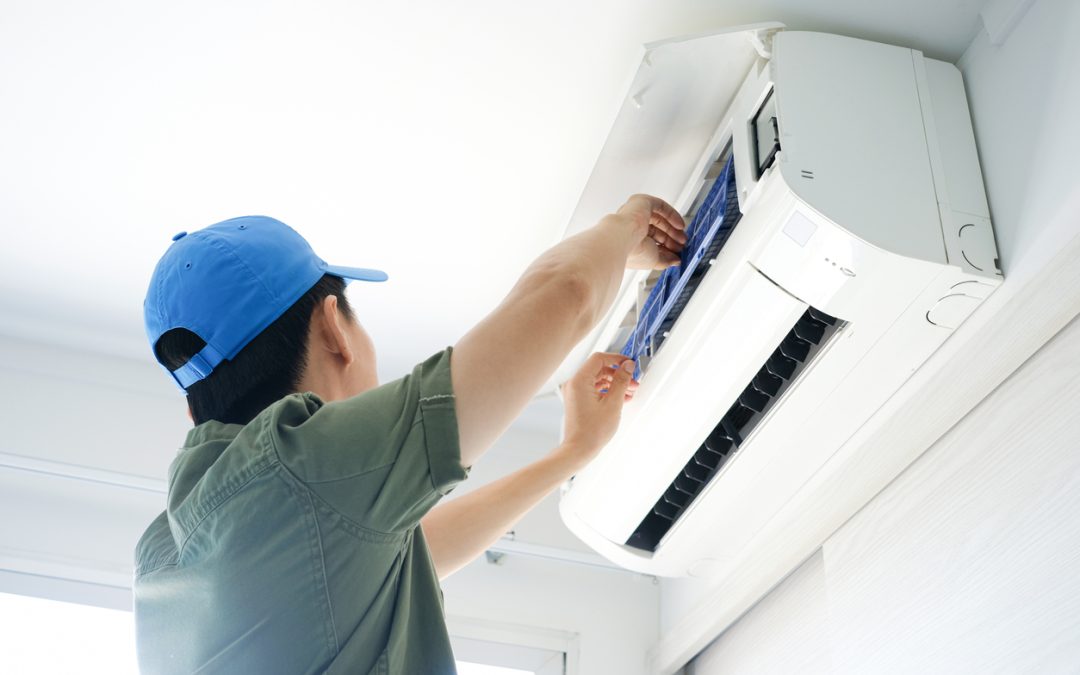
Inside atmospheric standards is crucial for a healthy living space, and your HVAC unit plays a major role in sustaining it. To improve air quality, make sure that your HVAC system is outfitted with high-quality air filters that can trap dust, allergens, and other pollutants. Regularly changing these filters can prevent the accumulation of noxious particles and secure that clean air flows throughout your home. It is suggested to check and replace your air filters every single to 3 months considering usage and air quality factors.
Moreover, think about the impact of humidity on inside air standards. Elevated humidity levels can lead to the proliferation of mold and mildew, while insufficient humidity can cause dry skin and respiratory issues. Numerous modern HVAC setups come with humidifiers and dehumidifiers that help regulate comfortable humidity levels, thus enhancing air standards. Putting money in a setup that permits you to control humidity can significantly enhance comfort and health in your living environment.
An additional effective way to enhance inside air standards is to incorporate ventilation into your HVAC unit. Proper ventilation helps to lessen inside pollutants and bring in clean outdoor air. You can accomplish this with energy-efficient ventilators that exchange stale indoor air for clean air while reducing energy loss. This integrative approach of filtration, humidity control, and fresh air circulation will make sure that your inside environment continues to be sound and cozy for you and your family.