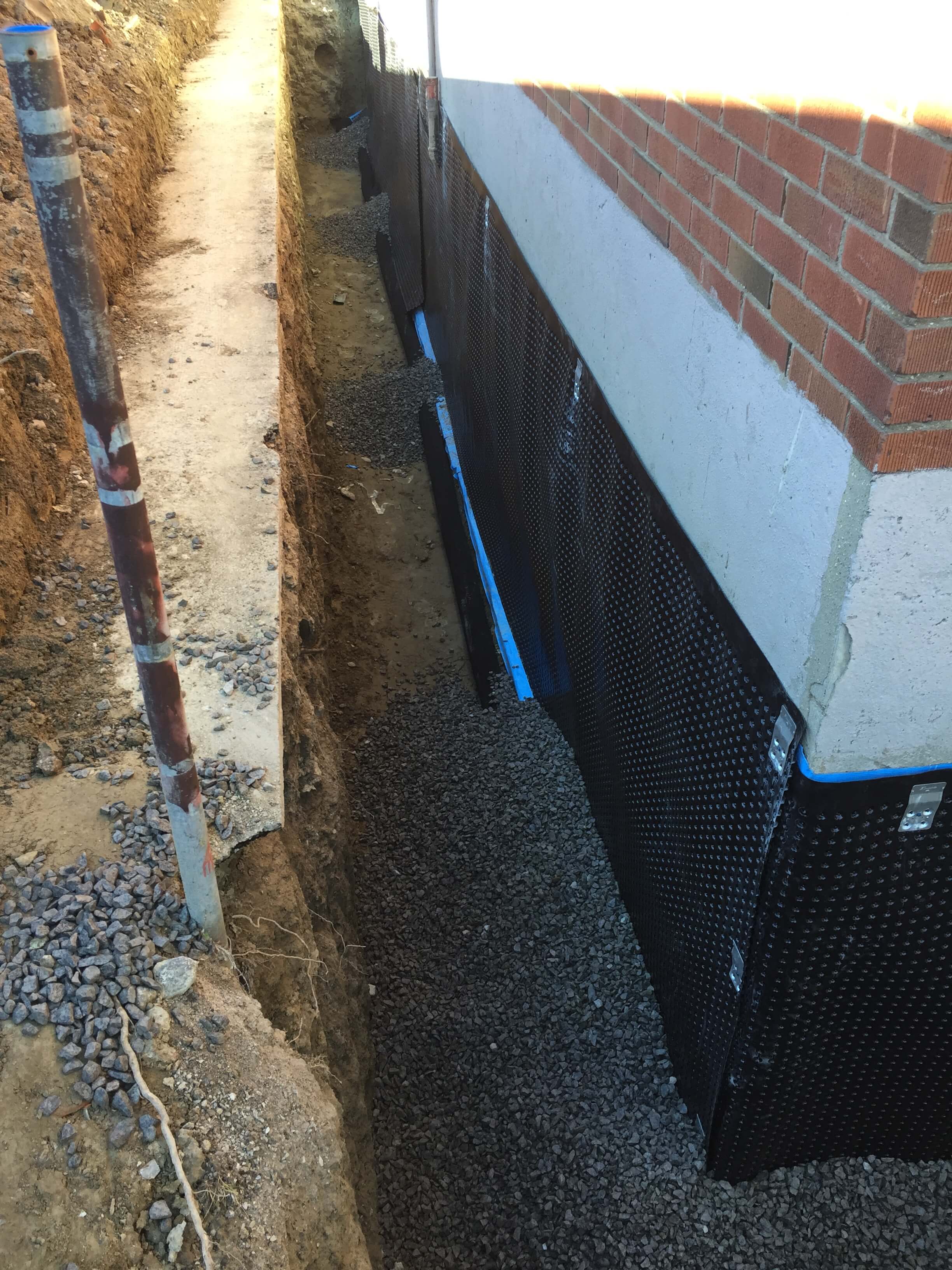
All homeowner envisions of a dry and comfortable basement that can serve various functions, including a storage facility to a recreational area. Nonetheless, numerous encounter the unpleasant reality of water issues that might cause mold development, structural issues, and also deteriorating air quality inside. Understanding the nuances of the waterproofing process for basements is crucial for anyone seeking to protect their asset and ensure a safe living environment.
In this comprehensive guide, we will explore the multiple methods of basement waterproofing, highlight the indicators that point to your basement may need immediate attention, and give tips on how to keep a moisture-free and pleasant space. Regardless of whether you are planning self-help methods, bringing in a professional, or just looking to learn about the process, this manual will provide you with the information you need to maintain your basement moisture-free and enhance your home's overall value.
Basement Waterproofing Basics
Cellar sealing is vital for upholding the integrity of your home. It entails a variety of methods and techniques intended to prevent water out of your cellar, protecting your possessions, and maintaining the physical stability of your property. With a damp cellar, not only can harm occur to walls and floors, but it can also generate an atmosphere conducive to fungus growth and deterioration to your foundation.
Understanding the most frequent causes of basement leaks is crucial for successful waterproofing. Factors such as deficient drainage systems, significant rainfall, and melting snow can result in water infiltration. Foundation cracks and seepage through walls are usual issues that homeowners encounter. Being aware of these causes will help you recognize the need for immediate action to prevent further damage.
There are two primary approaches to basement waterproofing: interior and exterior methods. Interior sealing centers on managing water that has already entered the cellar, often using sump pumps and drainage systems. On the other hand, exterior sealing involves creating a shield to prevent water from infiltrating the cellar in the first place, typically by applying sealants or improving landscaping and drainage around the home. Determining which method works most effectively for your situation is a important step in ensuring a dry and safe cellar.
Signs Your Basement Needs Attention
A crucial aspect of keeping your basement dry is identifying the signs that signal immediate waterproofing needs. One of the most obvious signs is the presence of water stains or discoloration on the walls and floors. These stains often appear as dark patches or streaks and can indicate past or present leaks. If you see any puddles or standing water, it is a strong signal that you should respond to prevent further damage.
Unpleasant odors are another powerful indicator of moisture problems in your basement. If you first to sense a moldy smell, it is likely that mold or mildew is growing due to excess moisture. This not only affects the structural integrity of your home but can also lead to wellness concerns for you and your family. Inspect edges and hidden areas where water might accumulate, as these places are often ignored.
Cracks in basement walls and floors should not be ignored. https://aluneed.ca/ can allow water to seep in, especially during heavy rains. Pay close attention to any developing cracks or changes in existing ones, as they may deteriorate over time. It is important to address these issues without delay to defend your home from water damage and to secure a healthy living environment.
Price and Worth of Waterproofing Systems
The cost of basement waterproofing services can fluctuate considerably based on multiple factors, including the size of the cellar, the kind of waterproofing method used, and the current condition of the space. On average, property owners can anticipate to pay anywhere from one thousand to five thousand USD for expert waterproofing. This expenditure may seem substantial upfront, but it is crucial to consider the future benefits, such as preventing water-related damage and steering clear of costly maintenance down the line.
Investing in basement waterproofing can also boost your home's overall worth. A dry, well-maintained cellar can be a major selling point for prospective buyers, as it signifies a safe living environment and reduced risk of mold and structural issues. In reality, homes with good waterproofing often move more quickly and at higher prices compared to those lacking. Thus, the initial cost can convert into a profitable return on investment.
Furthermore, waterproofing not only enhances property value but also adds to a more conducive home environment. Effective waterproofing reduces the chance of fungus growth, which can affect the quality of the air indoors and lead to health issues for occupants. By ensuring that your basement is dry, you are not only safeguarding your investment but also promoting a more secure and more pleasant living area for you and your family.