

Cellar sealing is a critical aspect of house maintenance that often goes disregarded by property owners. While it may not be the top item on your renovation list, making sure that your basement is adequately waterproofed can save a considerable amount of money and stress in the long run. waterproofing contractors can lead to a host of problems including mold growth, structural damage, and a decline in indoor air quality. This complete guide will explore why basement waterproofing should be a high priority for every homeowner.
If you are dealing with an older home or a recent construction, recognizing the importance of waterproofing is important. From spotting the signs that your basement needs urgent attention to exploring the various waterproofing methods available, this article will provide you with the critical knowledge needed to protect your property. We will also delve into common misconceptions, the long-term value it adds to your home, and the vital role drainage systems play in keeping your basement water-free. By the end, you will have all the information needed to make wise decisions about basement waterproofing, ensuring a secure environment for you and your family.
Understanding Lower Level Moisture Control
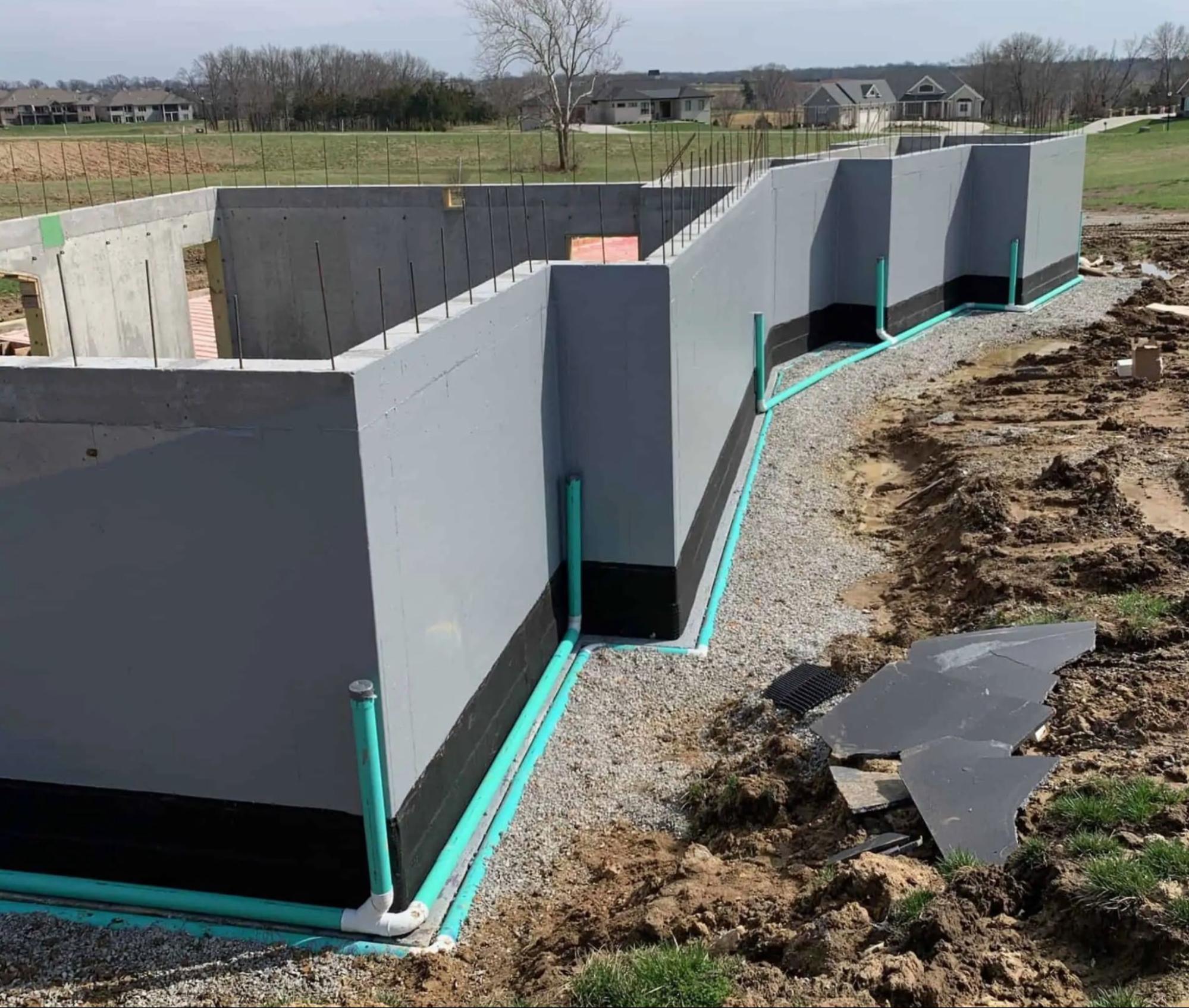
Cellar waterproofing is a critical process that incorporates strategies and practices used to keep lower levels dry and stop water intrusion. Moisture can infiltrate cellars through various pathways, including cracks in walls, floor seams, and drainage problems. As a result, waterproofing helps safeguard the integrity of the property, ensuring that the lower level stays a usable space while protecting against damage to the structure and fungal growth.
Property owners often neglect the significance of moisture control in the basement until it becomes a urgent issue. Many are ignorant of the serious risks associated with moisture in the lower level, such as mold growth, allergens, and the decay of construction materials. By recognizing these risks, occupants can more fully understand the importance of efficient moisture prevention techniques to maintain a secure and protective habitat.
There are several approaches of basement waterproofing, which can be broadly categorized into interior and outside approaches. Inside waterproofing methods may include drain pumps, moisture barriers, and drainage solutions, while exterior solutions often involve digging and using moisture barriers. By recognizing the various choices available, homeowners can make knowledgeable choices to efficiently protect their cellars from water damage.
Recognizing the Requirement for Basement Waterproofing
One of the first actions in recognizing the need for basement waterproofing is to look for the indications of moisture or water intrusion. Homeowners should regularly check for visible water stains, mold growth, and peeling paint on the walls. Musty odors can also suggest hidden humidity issues. If you notice any of these signs, it could be time to explore waterproofing solutions to protect your home from additional damage.
Another important factor to consider is the age of your home. Aged homes are often more susceptible to water leaks due to settling, outdated construction methods, and the wear and tear of waterproofing systems over time. If your home is many decades old, preventive assessment of the basement's condition can help prevent costly repairs in the future. Regular inspection can help you catch issues promptly, minimizing the impact on your home’s foundation and overall structure.
Additionally, weather changes can significantly affect moisture levels in your basement. During intense rains or winter thawing, water can seep in with greater ease. Homeowners should be vigilant during these times and assess the surrounding landscape, drainage systems, and gutters, ensuring they are working correctly. If follow this link experience recurrent issues during these specific times, there's a compelling indication that a more comprehensive waterproofing solution may be needed.
Selecting the Best Waterproofing Solutions
Regarding cellar waterproofing, selecting the right approach for your property is essential. Property owners should initially examine the source of moisture intrusion—if it’s due to groundwater, surface water, or plumbing leaks. This examination will aid in deciding between interior and exterior waterproofing techniques. Interior choices typically include sealants and drainage systems, while exterior solutions may necessitate excavation and the placement of drainage tiles. Every choice has its pros and cons, making it essential to evaluate the specific circumstances of your basement.
An additional key aspect is the specific attributes of your property, such as its location, landscape, and existing drainage systems. For example, homes in flood-prone areas may demand more sturdy methods, like sump pumps and sophisticated drainage systems, to manage water properly. Additionally, the age of your home holds a significant role; older properties may have distinct challenges that demand specialized waterproofing techniques. Hiring a professional to conduct an inspection can assist identify these factors and recommend appropriate methods.
Finally, it's vital to factor in cost and maintenance in your decision-making approach. Although some homeowners may opt for DIY waterproofing techniques to save money, knowing what works and what doesn’t can stop costly mistakes. Investing in expert waterproofing services can often lead to long-term savings, as these solutions typically come with guarantees. Keeping in mind both short-term and sustained factors will guide you towards the best waterproofing option for your specific case.