

Lately, Applied Behavior Therapy, has received widespread recognition as a significant approach for assisting children, particularly those on the spectrum of autism. This research-supported therapy emphasizes recognizing and improving specific behaviors through assessment and systematic approaches. By nurturing a child’s potential, ABA therapy helps foster essential skills, boost communication, and support independence. It advances not only academic growth but also emotional and social development, making it a holistic option for families seeking effective support.
As parents navigate the world of autism therapies, it is crucial to grasp what ABA therapy entails and how it can truly benefit in their child's life. From the positives of individualized programs to the significance of early intervention, this article will explore the many facets of ABA therapy. We will look into common techniques, what to expect during sessions, and how parents can take an integral role in the process. Whether you are starting out your journey or looking for ways to improve your child’s therapy experience, this guide aims to provide the insights you need to foster positive change.
Understanding ABA Intervention
Applied Behavior Analysis (ABA) treatment is a methodical method to teaching and promoting positive actions while reducing undesired actions. It is based in the principles of behavioral science, centering on how actions is acquired and strengthened over time. By understanding the motivations behind behavior, professionals can develop plans that encourage positive behaviors in children, particularly those with autism or other growth difficulties. Through consistent practice and encouragement, ABA intervention aims to enhance interpersonal communication, social interactions, and daily living skills.
One of the fundamental elements of ABA intervention is its focus on individualized treatment plans. Each child is one-of-a-kind, and successful ABA therapy involves tailored strategies that tackle particular behaviors and requirements. This customized method ensures that therapy not only focuses on the areas of growth for each individual but also aligns with their interests and strengths. Therapists work closely with parents to create objectives that mirror the individual's individual growth trajectory and to measure advancement over periods.
Moreover, ABA intervention includes various methods, such as reward systems, cues, and modeling, to help kids acquire new skills. Reward systems, in particular emphasis, is a pivotal aspect, as it recognizes positive behaviors to encourage their recurrence. By creating a nurturing and structured setting, ABA therapy fosters a feeling of accomplishment and incentive in kids, ultimately guiding them to increased independence and enhanced social interactions.
Advantages of Applied Behavior Analysis
ABA therapy offers numerous benefits for youngsters, particularly those diagnosed with ASD. One of the most notable benefits is its ability to enhance communication skills. Through https://www.buddingfuturesaba.com/ , children learn to express their needs and feelings more clearly, which is essential for their social interaction and general growth. Better communication can lead to more valuable relationships with friends and caregivers, building a sense of connection and belonging.
Moreover, important benefit of ABA therapy is its focus on cultivating essential life skills. This approach supports children in developing daily living skills, such as self-care and organization, which are critical for independence. By dividing tasks into manageable steps and providing regular reinforcement, Applied Behavior Analysis encourages children to learn these skills at their own speed. This enabling not only builds self-assurance but also grooms children to manage their environment more efficiently.
Moreover, ABA therapy is extremely effective in addressing challenging behaviors. Techniques such as reward systems are utilized to encourage desirable behaviors while decreasing those that are harmful. This behavior modification leads to improved emotional control and a more harmonious home and school environment. Parents often observe remarkable changes in their child’s behavior, leading to a more supportive atmosphere for both the child and the family.
Getting Started with Applied Behavioral Analysis Therapy
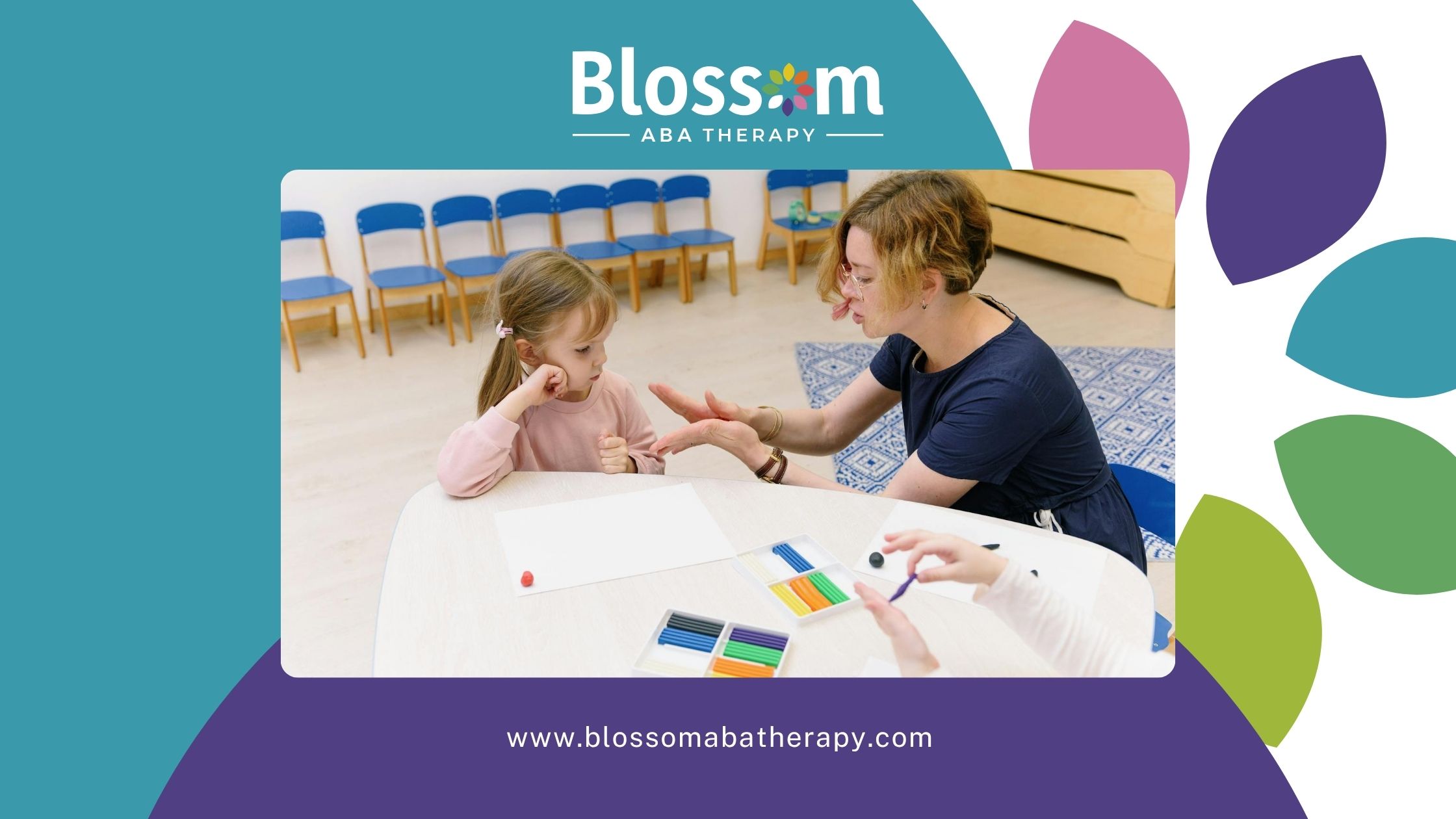
To begin on the journey of ABA therapy, the initial step is to consult with a qualified professional who focuses in this method. This first consultation is vital as it helps evaluate your kid's unique requirements and ascertain whether ABA therapy is the right option. During this meeting, a certified behavior analyst will observe your kid and talk about specific areas where support is needed, such as communication, social interaction, or self-care skills. Understanding your child's strengths and challenges will lay the groundwork for an effective therapy plan.
Once you choose to move forward, establishing a supportive atmosphere at home will improve the results of ABA therapy. It's helpful to work closely with the therapist to apply strategies and methods uniformly in everyday routines. Parents can strengthen the skills acquired during sessions by practicing them in practical situations, making it easier for the child to transfer these skills to different contexts. Establishing clear goals and a well-defined routine also contributes significantly to the success of the therapy.
Lastly, tracking progress is crucial for assessing the effectiveness of ABA therapy. Consistently reviewing objectives and achievements helps both caregivers and therapists to comprehend what is effective and what may need adjustment. Keep open dialogue with the therapist and don’t be afraid to inquire about your child's progress or the techniques being used. This partnership will enable you to advocate for your kid's needs and ensure that they receive the most tailored assistance available throughout their ABA therapy journey.