

Regarding car maintenance, a lot of owners often discount the value of auto detailing. Although Take a look at the site here can assist keep your vehicle looking good, professional detailing goes a step further, offering a deep clean that not only enhances the appearance but also protects your investment. With diverse schedules and lifestyles, the question of how often you should detail your car can be somewhat confusing.
In this article, we will examine the factors that influence the frequency of car detailing, including the top benefits of professional services and what's part of a full detail package. Whether you are a busy professional, a classic car enthusiast, or someone who simply loves a pristine vehicle, understanding your detailing needs can aid you preserve your car's beauty and longevity. From the advantages of ceramic coatings versus wax to the necessity of interior versus exterior detailing, we will cover all the essentials you need to know to keep your vehicle in excellent shape.
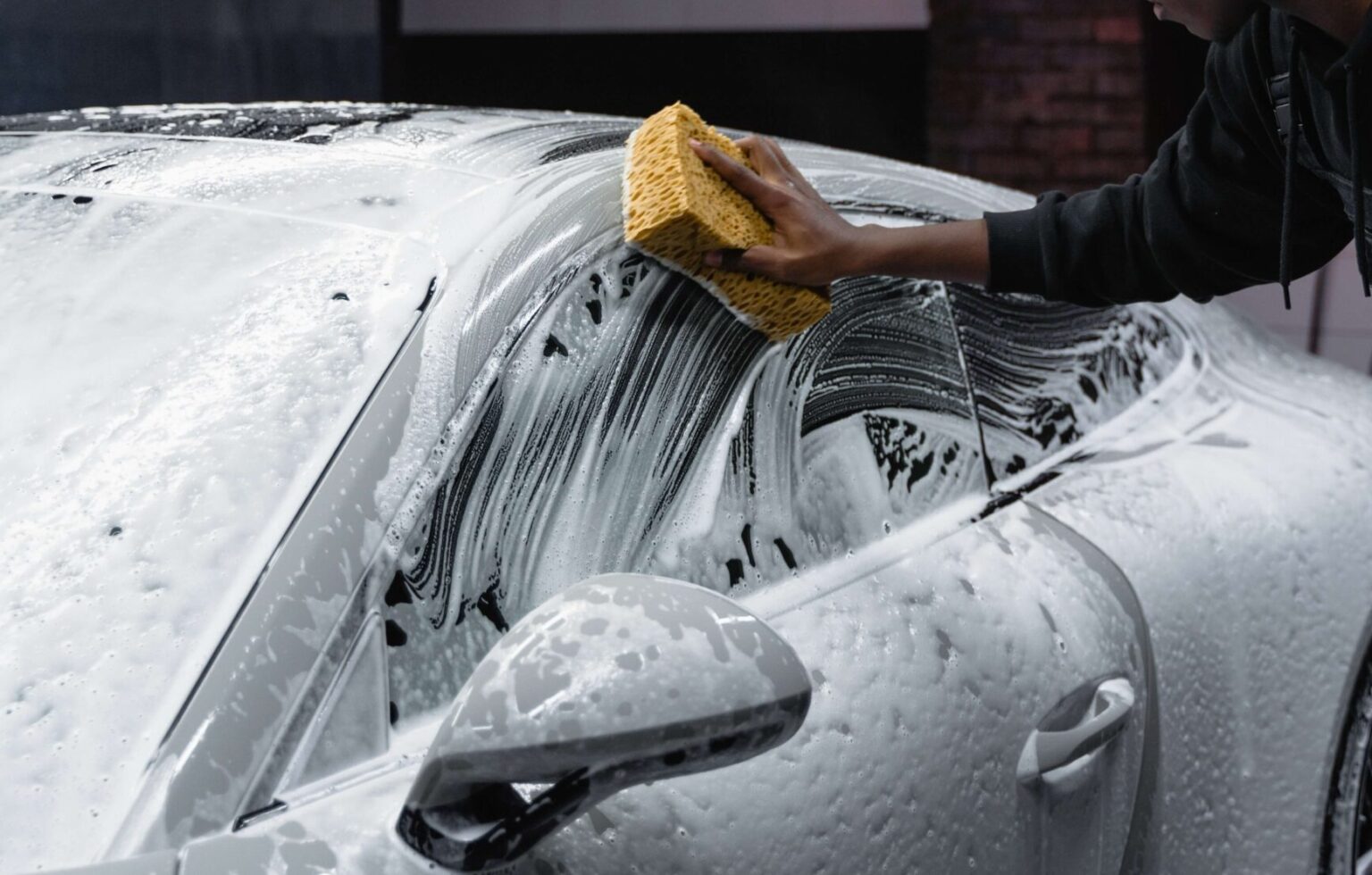
Main Advantages of Professional Auto Detailing
Specialized auto detailing provides several advantages that go further than a standard car wash. One of the primary benefits is the thoroughly cleaning that ensures every crevice of your vehicle is diligently addressed. Professionals utilize high-quality products and tools that can remove dirt, grime, and allergens, providing a level of cleanliness that home cleaning often cannot achieve. This intensive cleaning not only boosts the visual appeal of your car but also promotes a safer driving environment.
An additional key benefit is the safeguarding that detailing ensures to your vehicle. During the process, specialists use waxes, sealants, or ceramic coatings that shield the paint from harmful external factors such as UV rays, bird droppings, and road salt. This safeguarding helps stop damage and wear, making sure that your vehicle retains its glossy finish and is less likely to incur costly repairs in the future.
Finally, regular expert detailing can significantly increase the resale value of your car. A well-maintained vehicle not only appeals to potential buyers but also demands a higher price. By having your car serviced routinely, you can safeguard its condition over time, making it a wise investment for the future. Well-detailed vehicles distinguish themselves in the market, thus enabling a quicker sale and a better return on your investment.
Understanding the Car Detailing Process
Auto detailing is a thorough washing and revitalization procedure that goes beyond a typical car wash. It usually includes meticulous cleaning of both the interior and outer surfaces of the vehicle. The process starts with a thoroughly complete wash to eliminate dirt and grime, followed by a deeper cleaning of surfaces such as matting, seats, and synthetic materials. Each area of the car is checked and treated to guarantee it appears and feels brand new.
After the cleaning process, many detailers apply protectants and conditioning applications. This can involve sealing the surface to improve luster and protection, as well as treating leather and vinyl surfaces inside the car to avoid splitting and fading. Additional services such as steam cleaning, clay bar treatment, and lamp renovation may also be available, depending on the package picked. Each of these steps is crucial in ensuring the car not only appears fantastic but is also safeguarded from degradation over time.
The detailing procedure can change in length and extent based on the service level chosen. A basic detail might take a few hours, while a complete detail with many add-ons could consume the better part of a day. Knowing the steps involved can help you increase the advantages of each service, guaranteeing that your car holds its financial worth and aesthetic appeal while also enhancing your experience while driving.
Maintaining Your Vehicle Between Details
Keeping your vehicle in great condition in the intervals of professional detailing sessions is important for preserving its visual appeal and value. Regularly cleaning your car helps remove dirt, grime, and environmental contaminants that can harm the paint. It is best to wash your car every 2 weeks, or more frequently if you regularly drive in difficult conditions, such as heavy rain or snow. Use a pH-balanced car wash soap and avoid automatic car washes with brushes that can scratch your paint.
In addition to washing, consider routine interior maintenance to keep your car in pristine condition. Vacuuming the seats and carpets, wiping down surfaces with a microfiber cloth, and using correct cleaners for your upholstery will help maintain a clean environment. Pay special attention to areas that frequently accumulate dust and debris, like cup holders and door panels. If you have leather seats, applying a conditioner every few months can prevent cracking and fading.
In conclusion, protect your vehicle's exterior by putting on a wax or sealant every few months. This layer provides a barrier against UV rays, bird droppings, and tree sap, which can damage the paint if left untreated. Additionally, consider using a quick detailer after washes for an extra shine while also helping in removing light dust and fingerprints. These simple practices will prolong the time between professional details while keeping your car looking sharp and protected.